
 English
 русский
 Español
Shifts in work habits have changed how people approach daily movement, especially for those spending long hours at home. With limited access to traditional fitness spaces and increasing awareness of sedentary routines, simple and adaptable equipment has become more relevant. Among these, Folding Trampoline and Fitness Ball are gaining attention for their ability to fit into compact environments while supporting light activity and posture awareness. While the trampoline is often used for short bursts of movement, the fitness ball is increasingly seen in remote work setups as both a seating alternative and a stretching aid.
Changing Work Patterns and the Need for Flexible Fitness Tools
Remote work has introduced longer periods of sitting, often in non-specialized home office setups. Standard chairs and desks may not always support varied movement throughout the day, which can result in stiffness or reduced mobility over time. A fitness ball offers a different sitting experience by encouraging small, continuous adjustments in posture. Unlike fixed seating, the ball requires the user to maintain balance, which naturally brings subtle engagement to core and supporting muscles. This gentle activity does not interrupt workflow but adds a layer of movement that aligns with the flexible nature of remote work. As a result, many users are exploring ways to integrate light physical engagement into their daily schedules without setting aside dedicated workout time.
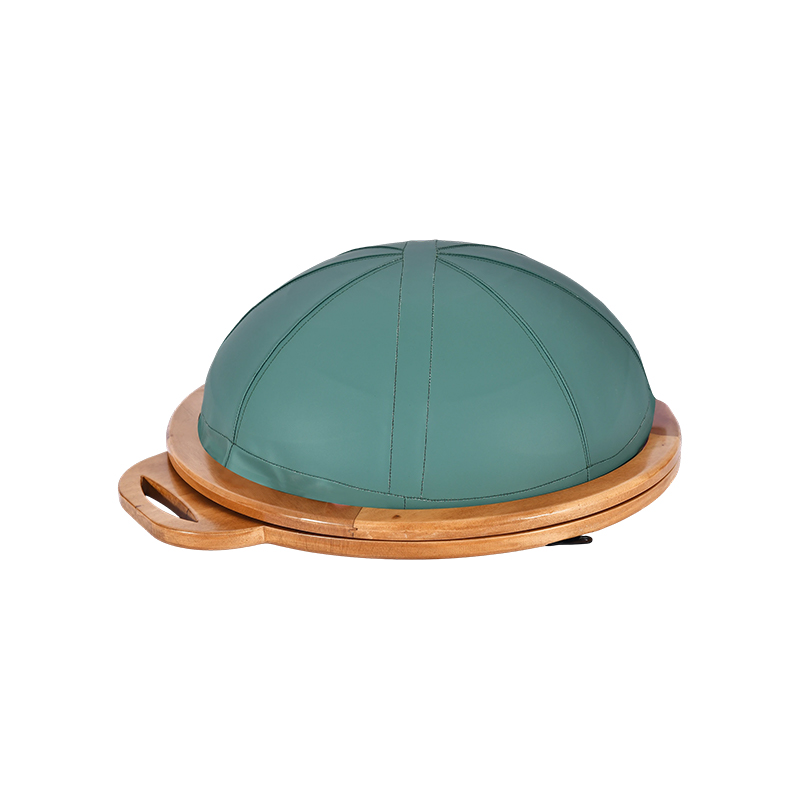
How a Fitness Ball Fits Into a Work-From-Home Environment
The design of a fitness ball allows it to serve multiple purposes within a limited space. During working hours, it can be used as an alternative seat for short intervals, helping vary posture compared to traditional chairs. When transitioning to breaks, the same ball can be used for stretching or light mobility exercises. This dual functionality makes it practical for individuals who prefer simple setups. Unlike larger equipment, the ball can be moved easily and does not require complex installation. Its presence in the workspace can also act as a reminder to take short movement breaks, which can be helpful for maintaining a balanced routine throughout the day.
Practical Ways to Use a Fitness Ball During Work Breaks
A fitness ball can be incorporated into short breaks without disrupting work schedules. Some simple and practical uses include:
Seated Posture Adjustment
Sitting on the ball for 10–15 minutes at a time can encourage a more upright posture compared to slouching in a chair.
Gentle Back Stretch
Leaning back over the ball allows the spine to extend gradually, which may feel relieving after prolonged sitting.
Hip Mobility Movements
Light circular motions while seated on the ball can help keep the hips active during long work sessions.
Desk-Side Hamstring Stretch
Placing one leg on the ball and leaning forward slightly creates a supported stretch without needing extra space.
Short Core Engagement Sessions
Holding a balanced seated position for a few minutes can activate stabilizing muscles without requiring a full workout.
These activities are simple to perform and can be adjusted based on available time and comfort level, making them suitable for integration into a workday.
The Supporting Role of Folding Trampoline in Home Fitness Routines
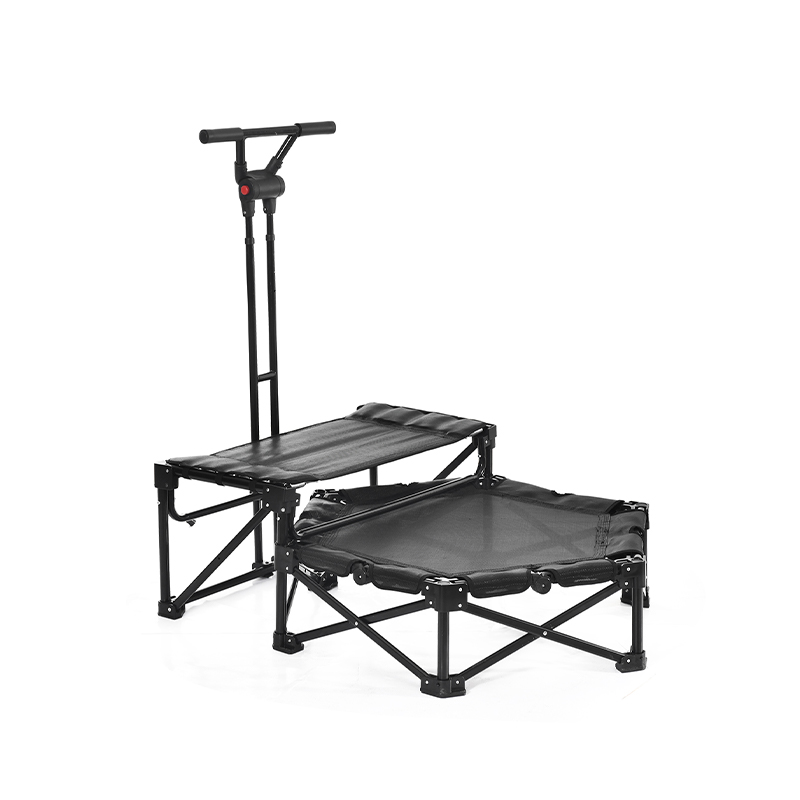
While the fitness ball is often used during work hours, a folding trampoline can complement the routine before or after work. Short sessions of light bouncing can introduce movement that contrasts with prolonged sitting. This type of activity does not require extensive space and can be stored when not in use, which aligns with the needs of home environments. The combination of a folding trampoline for brief activity and a fitness ball for ongoing posture support creates a balanced approach to movement without relying on large or fixed equipment. Together, they provide options for both active and passive forms of engagement throughout the day.
Balancing Movement and Productivity Without Complex Setups
One of the reasons fitness balls are becoming more visible in remote work environments is their simplicity. They do not require technical knowledge, digital integration, or structured programs to be useful. Users can decide how and when to incorporate them based on personal schedules. This flexibility supports a more natural approach to movement, where short and consistent actions replace longer, less frequent workout sessions. The ability to switch between working and light physical activity without changing locations or equipment reduces friction in maintaining daily habits. Over time, this ease of use can contribute to more consistent engagement with movement.
Space Considerations and Equipment Versatility
Home offices often share space with other living areas, which means equipment needs to be adaptable. A folding trampoline can be stored vertically or under furniture, while a fitness ball can be used not only for exercise but also as a temporary seat or support tool. This versatility reduces the need for multiple pieces of equipment. For individuals working in smaller apartments or shared spaces, having multi-use items can make it easier to maintain both productivity and physical activity without cluttering the environment. The visual simplicity of these tools also allows them to blend into different room settings without creating a dedicated gym atmosphere.