
 English
 русский
 Español
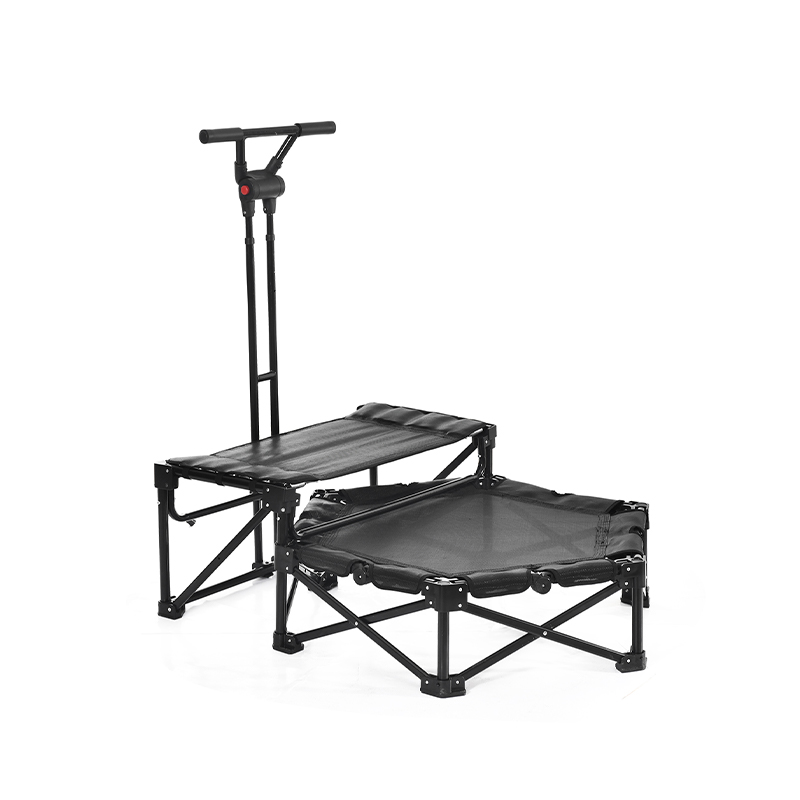
Family routines today often balance screen time, work responsibilities, and limited outdoor opportunities, which makes it important to find simple ways to introduce movement at home. Equipment such as Folding Trampoline and Fitness Ball has gradually become part of indoor activity setups, offering flexible options for both children and adults. While the trampoline supports light jumping and coordination-based play, the fitness ball adds variety through balance exercises and interactive games. Together, they create an environment where movement feels natural and accessible within everyday family life.
Creating Opportunities for Movement Within the Home
Indoor environments are not always designed for physical activity, especially in households where space needs to serve multiple purposes. A folding trampoline provides a compact solution that can be set up when needed and stored afterward, allowing families to adapt their living areas without permanent changes. Its structure supports repetitive, low-impact jumping that can be adjusted based on age and comfort level. This makes it suitable for short play sessions throughout the day, rather than requiring a fixed time or location. When paired with a fitness ball, the space becomes more dynamic, offering different ways to move, sit, or stretch without introducing complicated equipment.
Why Active Play Matters for Different Age Groups
Active play is not limited to children; it can also involve parents or other family members in shared activities. A folding trampoline encourages participation by offering a simple action—jumping—that does not require prior training. For children, it introduces rhythm and coordination, while for adults, it provides a light way to stay engaged without structured exercise. The fitness ball complements this by allowing activities that involve balance and gentle movement, which can be adapted for different ability levels. This shared accessibility helps create moments where family members can interact without needing separate tools or routines.
Simple and Practical Ways Families Use These Tools Together
Families often look for activities that are easy to organize and do not require extensive preparation. Both the folding trampoline and fitness ball can be used in creative ways to support active play:
Turn-Taking Jump Sessions
Family members can take turns using the trampoline, encouraging interaction and shared participation while keeping the activity structured.
Balance Challenges with the Fitness Ball
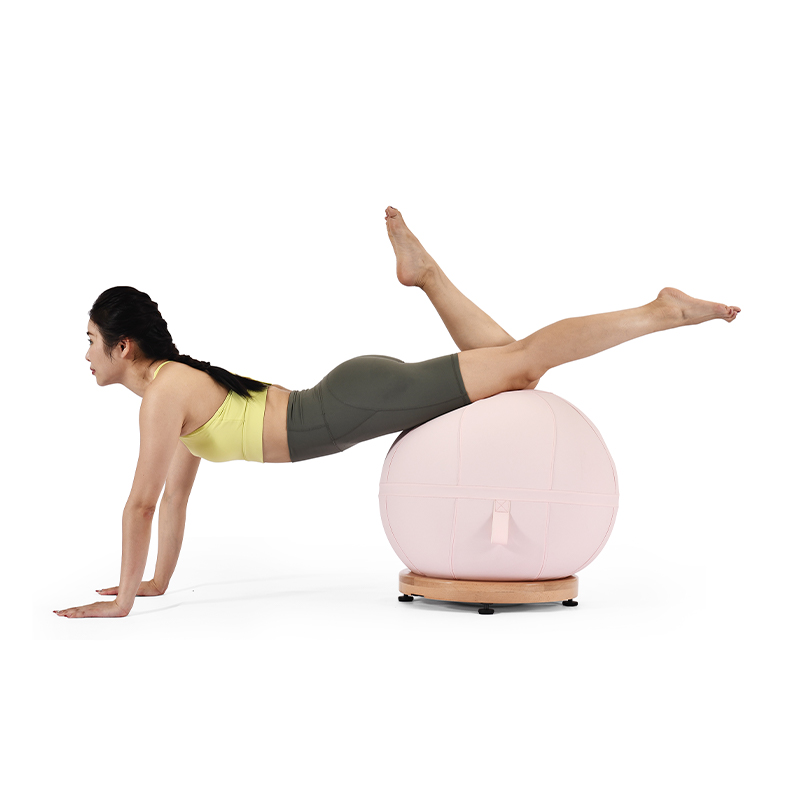
Sitting or lightly bouncing on the ball can be turned into a friendly challenge, helping children and adults stay engaged.
Combination Play Circuits
Alternating between short trampoline sessions and simple ball exercises can create a small indoor activity circuit.
Interactive Games
Passing a fitness ball while one person uses the trampoline introduces coordination-based play that involves more than one participant.
Relaxation Breaks After Activity
After jumping, using the fitness ball for gentle stretching or seated movement can help transition to a calmer pace.
These approaches highlight how both items can be used together without requiring formal exercise plans, making them suitable for spontaneous play.
Adapting to Limited Space Without Reducing Activity
Space constraints are a common concern in family homes, especially when multiple activities need to coexist in the same area. A folding trampoline addresses this by offering portability and ease of storage, allowing it to be folded and placed aside when not in use. The fitness ball, while slightly larger in appearance, serves multiple roles and does not need to be stored away as frequently. It can function as a seat, a support tool, or part of a play activity. This adaptability ensures that families can maintain active routines without dedicating an entire room to physical activity.
Encouraging Consistent Engagement Through Simplicity
One of the challenges in maintaining active habits is the need for consistency. Equipment that requires setup time or specific conditions may be used less frequently over time. A folding trampoline can be unfolded quickly, making it easier to fit short activity sessions into daily routines. Similarly, a fitness ball does not require preparation, allowing it to be used at any moment for movement or play. This ease of use supports repeated engagement, which is often more sustainable than occasional, longer sessions. For families, this means activity can become part of everyday life rather than a separate task.
Balancing Play and Safety in Family Environments
When introducing active play equipment into the home, safety considerations naturally become part of the decision-making process. A folding trampoline designed for indoor use typically includes features that support stability, but it is still important to place it on a flat surface and allow sufficient space around it. Supervision may be helpful, especially for younger children, to ensure that jumping remains controlled. The fitness ball should also be used with attention to proper size and inflation, as this affects balance and comfort. These practical steps help create a safer environment while allowing families to focus on the enjoyment of shared activities.