
 English
 русский
 Español
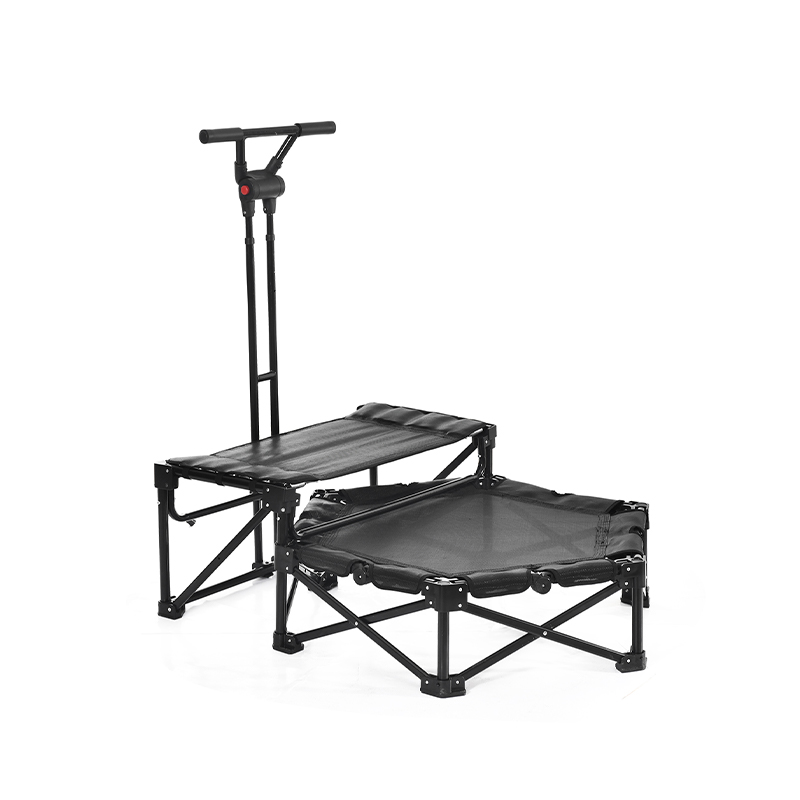
After a demanding workout, the body often experiences muscle tension, stiffness, and reduced flexibility. Incorporating simple tools into recovery routines can support a more comfortable transition from high-intensity movement to a relaxed state. Among commonly used fitness accessories, Folding Trampoline and Fitness Ball offer practical value for both active exercise and post-workout recovery. While the trampoline is often associated with light cardio and coordination training, the fitness ball plays a supportive role in stretching, balance, and muscle relaxation, making it a useful addition to recovery-focused sessions.

The Role of a Fitness Ball in Recovery-Based Stretching
A fitness ball, sometimes referred to as a stability ball, is designed to provide an unstable surface that encourages controlled movement and engagement of supporting muscles. During post-workout stretching, this instability can help users gradually release tension while maintaining gentle muscle activation. Unlike static floor stretches, using a fitness ball allows the body to move through a wider range of motion with reduced pressure on joints. This can be particularly helpful after workouts that involve repetitive movements or weight-bearing exercises. By supporting different parts of the body—such as the back, hips, or legs—the ball helps distribute weight more evenly, making stretches feel less restrictive and easier to sustain for longer durations.
Why Combine Folding Trampoline and Fitness Ball in a Routine?
Although the primary focus here is on stretching, the inclusion of a folding trampoline earlier in a workout session can influence how the body responds to recovery exercises. Light bouncing activities may promote circulation and gently activate muscles without excessive strain. Transitioning from this type of movement to fitness ball stretching creates a smoother shift from activity to relaxation. The portability and foldable structure of a folding trampoline also make it suitable for home use, allowing users to maintain a consistent routine without requiring large spaces. When paired thoughtfully, these two tools can support a balanced approach to both movement and recovery.
Practical Stretching Movements Using a Fitness Ball
Below are some commonly used stretching approaches that highlight how a fitness ball can be integrated into post-workout recovery:
Spinal Extension Stretch
Lying back on the ball with feet firmly on the ground allows the spine to extend gently. This position can help relieve tension built up during exercises like running or weight training.
Hamstring Support Stretch
Placing one leg on the ball while keeping the other grounded enables a controlled stretch for the back of the thigh. The ball reduces strain by supporting the leg’s weight.
Hip Opener Movement
Sitting on the ball and slowly shifting weight from side to side can encourage the hips to relax after lower body workouts.
Chest and Shoulder Stretch
Resting the upper back on the ball while extending the arms outward may help open the chest area, especially after exercises involving pushing or lifting.
Core Relaxation Position
Gently leaning forward over the ball allows the abdominal area to decompress after core-focused workouts.
These movements do not require advanced skills and can be adjusted based on individual flexibility levels. The ball acts as a guide, helping maintain proper alignment during each stretch.
How Stability Influences Stretching Efficiency
One of the distinct characteristics of a fitness ball is its dynamic surface. Unlike flat mats or rigid benches, the ball responds to shifts in body weight. This responsiveness encourages small stabilizing muscles to remain engaged even during low-intensity stretches. As a result, users may experience a more balanced form of muscle release. Instead of isolating a single muscle group, the body works as a connected system, which can make stretching feel more natural. This type of engagement also helps maintain posture awareness, reducing the likelihood of overstretching or placing uneven pressure on joints.
Adjusting Intensity Without Overcomplication
Using a fitness ball allows individuals to control the depth and intensity of each stretch without complex adjustments. By simply changing body position—such as moving closer to or further from the ball’s center—users can influence how much pressure is applied. This flexibility makes the ball suitable for a wide range of users, from beginners to those with more experience in fitness routines. Additionally, because the ball supports body weight, it can reduce the need for external assistance or equipment, keeping recovery sessions straightforward and manageable.
Space Efficiency and Accessibility in Daily Use
In many home environments, space limitations can affect the ability to maintain a consistent fitness routine. A folding trampoline can be stored when not in use, while a fitness ball can serve multiple purposes beyond stretching, such as balance training or seated posture support. This versatility allows users to incorporate recovery practices into daily life without dedicating a large area to equipment. The simplicity of setup also reduces barriers to regular use, which is an important factor in maintaining long-term habits.
Supporting Consistency in Recovery Habits
Recovery is often overlooked compared to active training, yet it plays a key role in how the body adapts to physical activity. Incorporating a fitness ball into post-workout stretching can make the process feel more engaging and less repetitive. The gentle movement and support provided by the ball may encourage users to spend more time on recovery rather than rushing through it. Over time, this consistency can contribute to improved flexibility and a more comfortable overall exercise experience.