
 English
 русский
 Español
Resistance training no longer depends solely on metal weights or large machines. Portable tools such as the Push-up Plank setup combined with an Adjustable Elastic Cord have become part of many home and studio routines. Among these, elastic resistance stands out for its adaptability and ease of use. Rather than replacing traditional equipment, it offers an alternative way to apply progressive tension while keeping the setup simple and flexible.
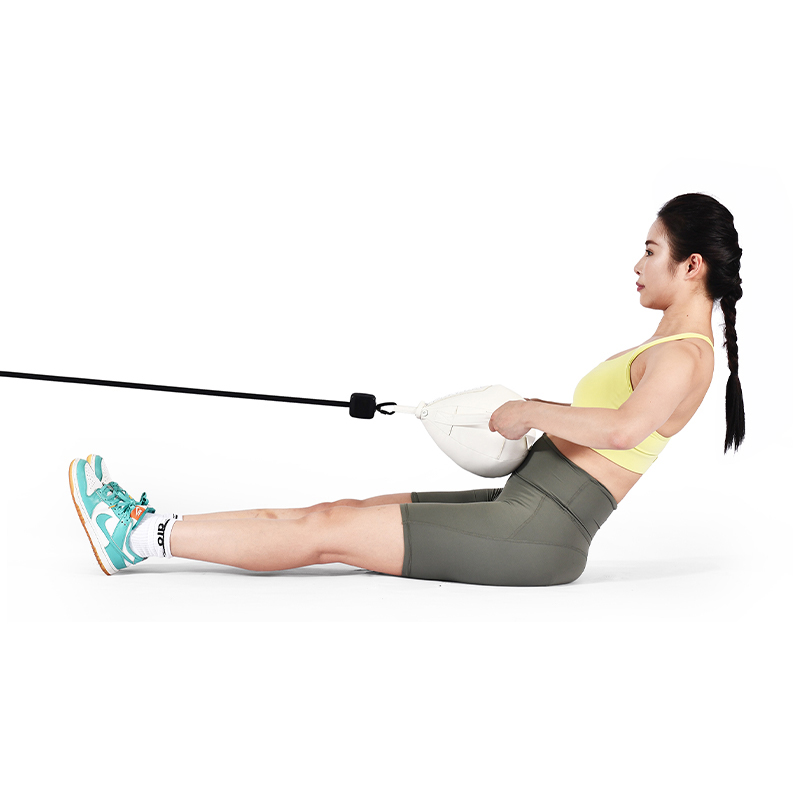
Variable Tension Changes How Muscles Work
Unlike fixed dumbbells or barbells, elastic cords create resistance that increases as the band stretches. This means the force applied during an exercise is not constant from start to finish. At the beginning of a movement, tension may feel lighter; as the cord extends, resistance gradually rises. This changing tension pattern encourages steady control rather than relying on momentum.
During movements such as banded rows, chest presses, or plank-based pulls, muscles must continue engaging through the entire range of motion. In a Push-up Plank position, for example, attaching an elastic cord around the upper back increases resistance as the arms extend. The gradual increase in tension requires consistent effort during the upward phase without sudden load spikes.
This progressive resistance pattern can be helpful for individuals who want a smoother transition between lighter and heavier effort levels. It also supports joint-friendly training because the resistance often aligns with natural strength curves: when leverage improves near the top of a movement, tension increases to match that position.
Portability and Space Efficiency in Daily Training
One practical reason adjustable elastic cords are widely used is their compact size. Traditional strength equipment often requires dedicated floor space. By contrast, an elastic cord can be stored in a drawer or gym bag. For people training in apartments, offices, or shared spaces, this flexibility matters.
Because the cord can attach to doors, posts, or stable fixtures, it allows a range of movement patterns without permanent installation. This supports short training sessions during work breaks or travel. When combined with bodyweight foundations such as Push-up Plank variations, users can build a structured routine with minimal setup time.
Portability also affects consistency. When equipment is easy to access and quick to prepare, individuals are more likely to incorporate short resistance sessions into daily schedules. This does not guarantee results on its own, but it lowers logistical barriers that sometimes interrupt training habits.
Adjustable Resistance Supports Different Strength Levels
An Adjustable Elastic Cord is not limited to one resistance level. Length, attachment point, and band thickness can all influence how much tension is applied. This allows the same tool to be used by beginners learning basic movement control and by experienced individuals seeking added challenge.
In practical terms, adjustment can happen in several ways:
- Changing Distance From Anchor: Stepping farther from the anchor increases tension at the starting position.
- Altering Grip Width: Holding the cord shorter increases baseline resistance during presses or rows.
- Layering Bands: Using two cords together increases overall load without switching equipment.
- Modifying Body Position: Moving from a kneeling to a standing or plank posture shifts the amount of bodyweight involved.
These adjustments allow gradual progression over time. Instead of moving from a light dumbbell to a significantly heavier one, tension can increase in smaller increments. This can support smoother adaptation and help maintain movement quality as resistance changes.
Integration With Bodyweight Foundations Like Push-up Plank
Elastic resistance pairs naturally with bodyweight exercises. A Push-up Plank position already engages shoulders, arms, and core stabilizers. Adding an adjustable cord introduces external tension without requiring complex setup. For example, placing the band across the upper back during push-ups changes how force is distributed, while anchoring it to one side during plank rows introduces rotational resistance.
This combination allows users to train multiple physical qualities at once. Core stability is challenged while upper body strength develops under resistance. Because the cord’s tension increases with stretch, users often need to move deliberately rather than rushing repetitions.
The adjustable nature of the cord also supports regression. If standard push-ups feel demanding, the band can assist by being anchored overhead to reduce bodyweight load. This dual function—adding or reducing resistance—makes it adaptable to different training goals within the same session.
Control and Movement Awareness
Resistance training is not only about lifting heavier loads; it also involves coordination and control. Elastic cords provide immediate feedback because uneven tension or unstable positioning can be felt quickly. If posture shifts during a row or press, the direction of pull changes, signaling the need to correct alignment.
In plank-based movements, this feedback becomes more noticeable. For instance, performing a single-arm band row from a Push-up Plank requires the torso to resist rotation. If the hips twist excessively, tension distribution shifts, prompting adjustment. This awareness can encourage better alignment habits over time.
Additionally, because elastic resistance does not rely on gravity alone, exercises can be performed from multiple angles. Horizontal pulling, diagonal pressing, and rotational movements become easier to set up compared to free weights. This variety supports balanced training without extensive equipment.