
 English
 русский
 Español
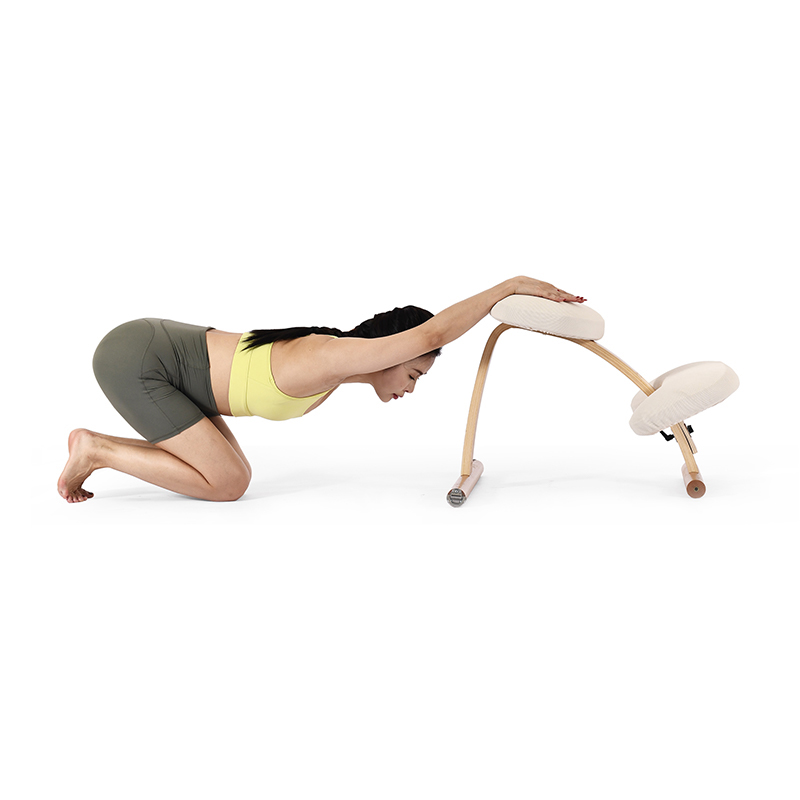
Push-up Plank and Indoor Home training are being combined in practical ways to support strength-focused routines without relying on large equipment setups. This article explains how push-up plank methods are applied in indoor environments, what adjustments have been made to fit home use, and how users can integrate this movement into daily training with clear, workable approaches.
Why Indoor Strength Training Needs Practical Solutions
Indoor exercise has gradually shifted from being a temporary substitute to a consistent training choice. Limited space, time constraints, and changing routines mean users often look for exercises that are easy to set up and do not require specialized equipment. Strength training, in particular, presents challenges in these environments because traditional methods often depend on weights or machines.
Push-up plank movements respond to this need by combining multiple training elements into one exercise. Instead of isolating muscle groups through different machines, this movement engages the upper body and core muscles together. That reduces the need for switching between exercises and simplifies workout planning.
Another issue users face is maintaining consistency. When routines are too complicated or require too much setup, they are harder to follow regularly. Push-up plank training offers a repeatable structure that fits short sessions, making it easier to maintain a steady routine indoors.
How Product Design Adapts to Indoor Training Conditions
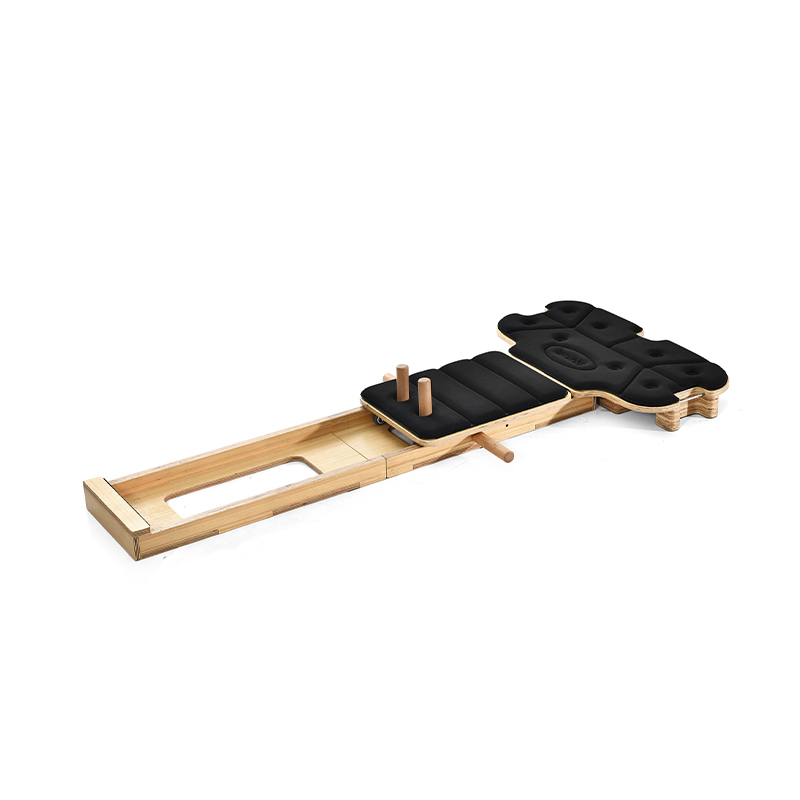
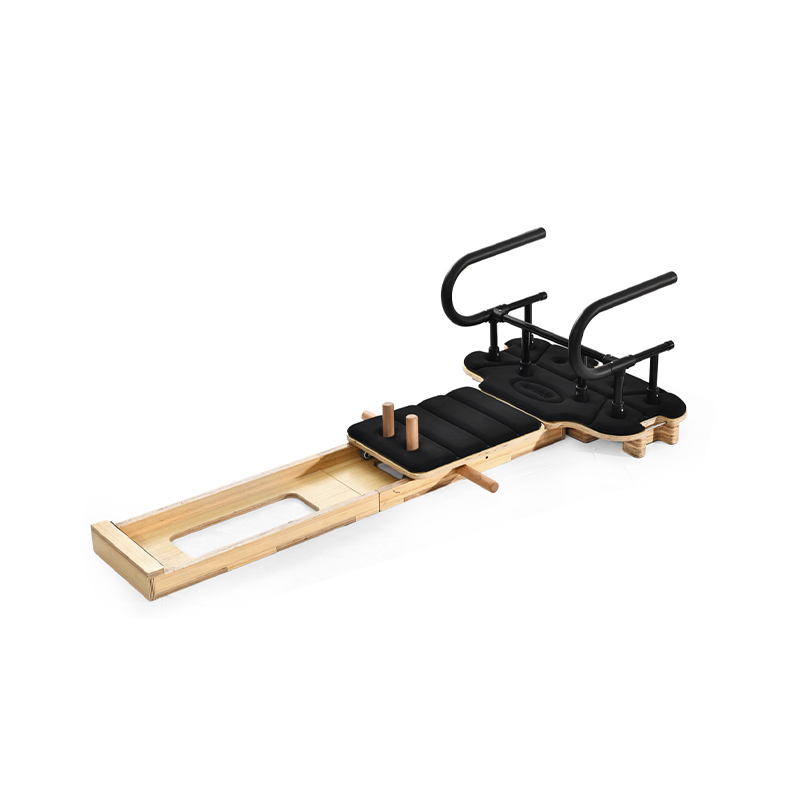
The way the push-up plank is practiced has changed with the growth of indoor home fitness. Rather than relying only on floor-based movements, many users now incorporate supportive tools designed for compact spaces and varied skill levels.
Key design adjustments include:
Stable support structures that help distribute body weight more evenly, reducing pressure on wrists and shoulders
Non-slip contact surfaces to maintain grip on indoor flooring such as tile or wood
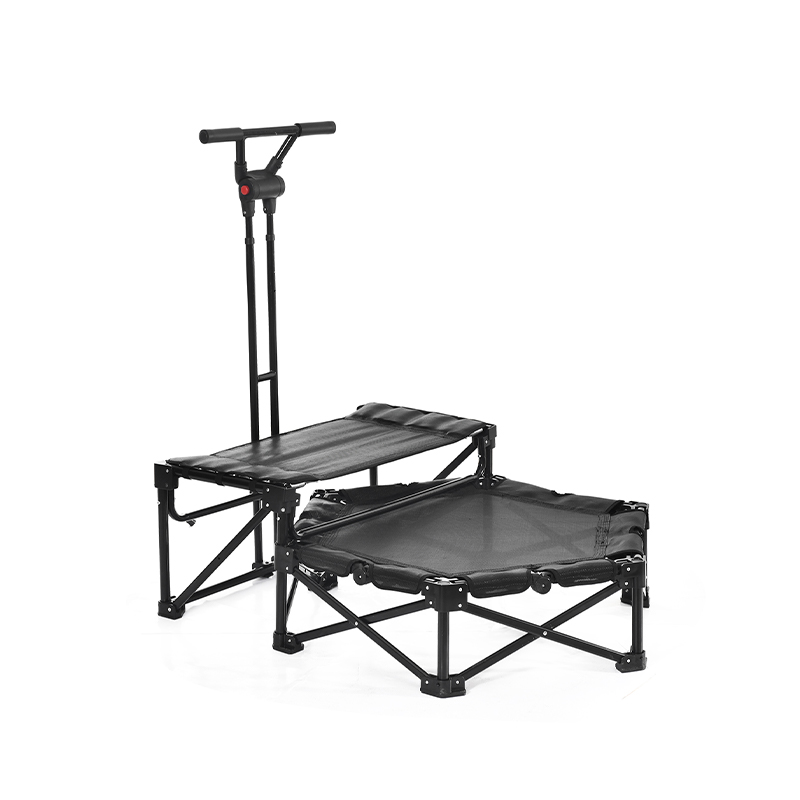
Angle-adjustable platforms that allow users to modify exercise intensity without additional equipment
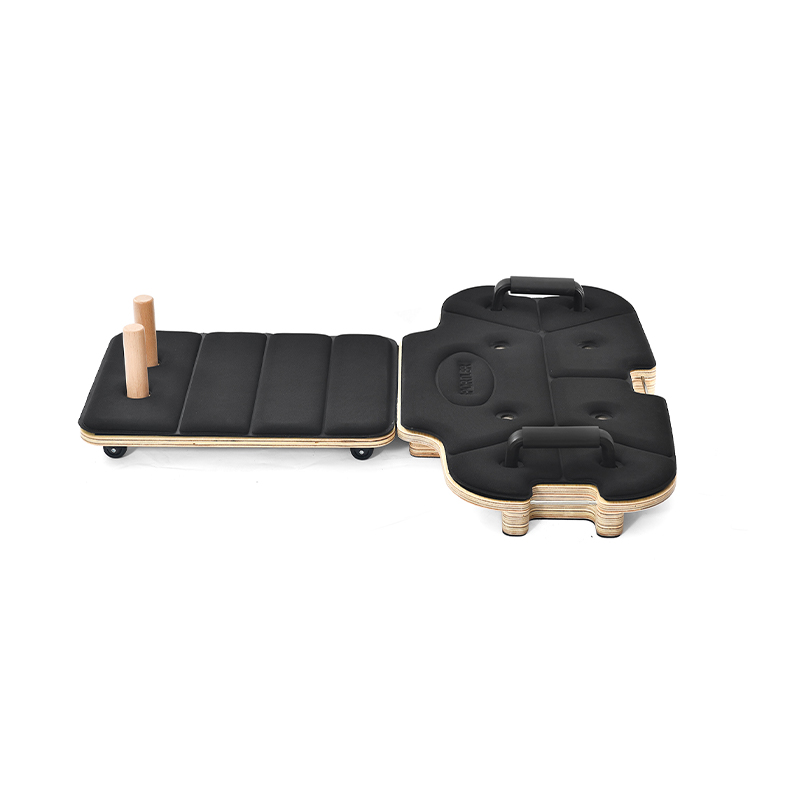
Compact and foldable formats that can be stored easily after use
These changes focus on usability rather than complexity. By allowing users to adjust body position, the same push-up plank movement can serve beginners and more experienced individuals. This flexibility is particularly useful in indoor environments where adding extra equipment is not always practical.
In addition, digital training content often incorporates push-up plank variations as part of structured programs. Video guidance and timing-based routines help users maintain proper form and pacing, which is important when exercising without in-person instruction.
Real-World Indoor Applications of Push-up Plank
Push-up plank fits into a wide range of indoor home training scenarios, offering flexibility depending on available time and space.
For quick daily routines, the movement can be used independently. A short session of controlled repetitions can activate several muscle groups at once, making it suitable for users who want a straightforward workout without multiple steps.
In more structured indoor programs, push-up plank often serves as a core component. It can be combined with lower-body exercises or mobility drills to form a balanced session. Because it requires minimal space, it works well in apartments, small rooms, or shared living areas.
Some users also incorporate push-up plank into interval-based routines. Alternating between plank holds and push-up motions can create a simple circuit without needing additional tools. This approach supports time-efficient workouts while maintaining variation.
Another application is in low-impact training environments. By adjusting the angle or reducing range of motion, users can control intensity and adapt the movement to different physical conditions. This makes it suitable for gradual training progress rather than fixed intensity levels.
Observations and Usage Data in Indoor Settings
Usage trends in indoor home workouts show a preference for exercises that combine simplicity with functional value. Push-up plank aligns with this pattern due to its multi-purpose structure.
The table below outlines typical product-related features and how they translate into indoor training use:
|
Feature |
Description |
Indoor Training Value |
|
Compact Size |
Designed for small spaces |
Easy to use in apartments or limited areas |
|
Adjustable Angles |
Incline or decline options |
Allows gradual intensity changes |
|
Multi-Function Use |
Supports push-up and plank variations |
Reduces need for multiple tools |
|
Floor Compatibility |
Non-slip base materials |
Helps maintain stability on indoor surfaces |
|
Quick Setup |
Minimal or no assembly required |
Encourages regular use |
Feedback from indoor users often points to convenience as a key factor in maintaining exercise habits. Equipment and exercises that are easy to access tend to be used more consisently. Push-up plank supports this by offering a balance between effort and simplicity.
Broader Implications for Home Fitness Development
The growing use of push-up plank in indoor home environments reflects a broader change in how fitness products and routines are designed. Instead of focusing on large, single-purpose equipment, there is more attention on compact tools and adaptable exercises.
This shift also influences how training content is created. Programs are becoming more focused on practical movement combinations rather than isolated techniques. Push-up plank fits into this approach by serving as a base movement that can be adjusted in different ways.
As indoor training continues to evolve, exercises that require minimal setup and offer flexible use are likely to remain relevant. Push-up plank demonstrates how a simple concept can be adapted to meet changing user expectations without adding unnecessary complexity.