
 English
 русский
 Español
Push-up Plank and Indoor Home workouts are increasingly being combined to meet practical strength training needs in limited spaces. This article explains how integrating push-up plank movements into indoor routines helps users build functional strength, improve stability, and adapt to flexible home-based fitness habits without relying on complex equipment.
The Shift Toward Indoor Strength Training
Indoor fitness has become a long-term choice rather than a temporary alternative. Many users face constraints such as limited space, irregular schedules, or lack of access to gyms. Under these conditions, strength training methods must be simple, adaptable, and efficient.
Traditional strength training often depends on machines or free weights, which may not be suitable for home environments. As a result, bodyweight exercises have gained attention. Among them, the push-up plank stands out because it combines upper body strength training with core engagement in a single movement. This dual function reduces the need for multiple exercises while still addressing key muscle groups.
Another challenge in indoor training is maintaining consistency. Complex routines can discourage regular practice. Movements like push-up plank offer a straightforward structure, making them easier to repeat and integrate into daily schedules.
Product and Training Approach Adjustments
To support indoor home workouts, push-up plank training has evolved beyond the traditional floor exercise. Equipment and training formats have been adjusted to improve usability and adaptability in different home settings.
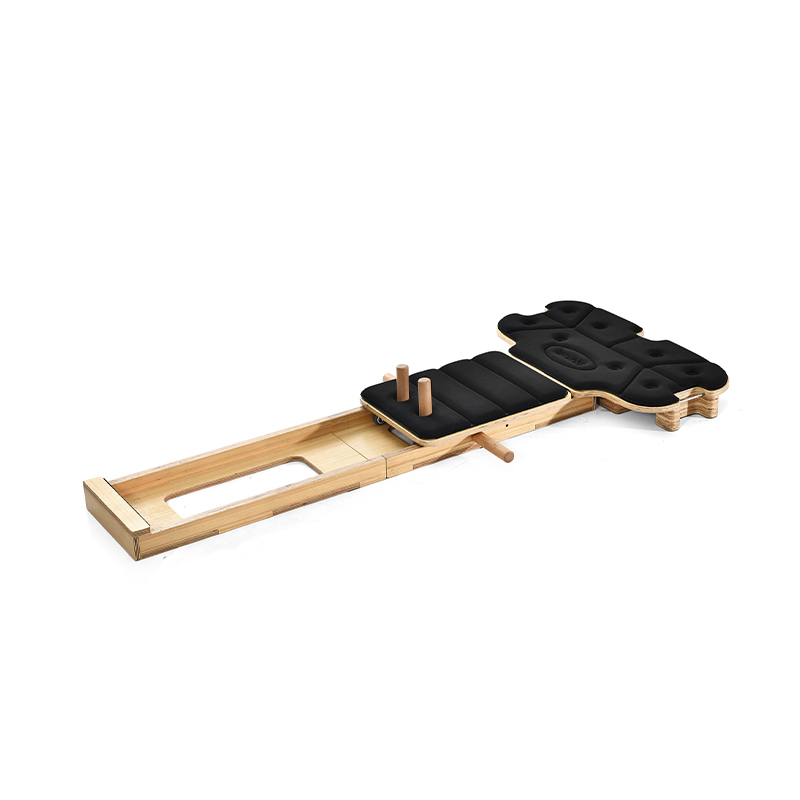
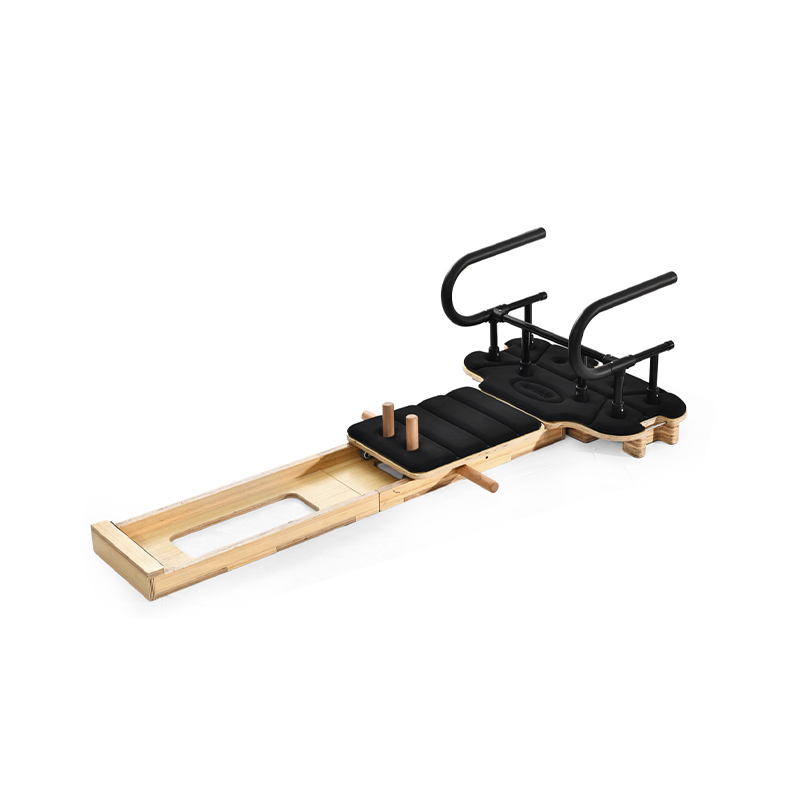
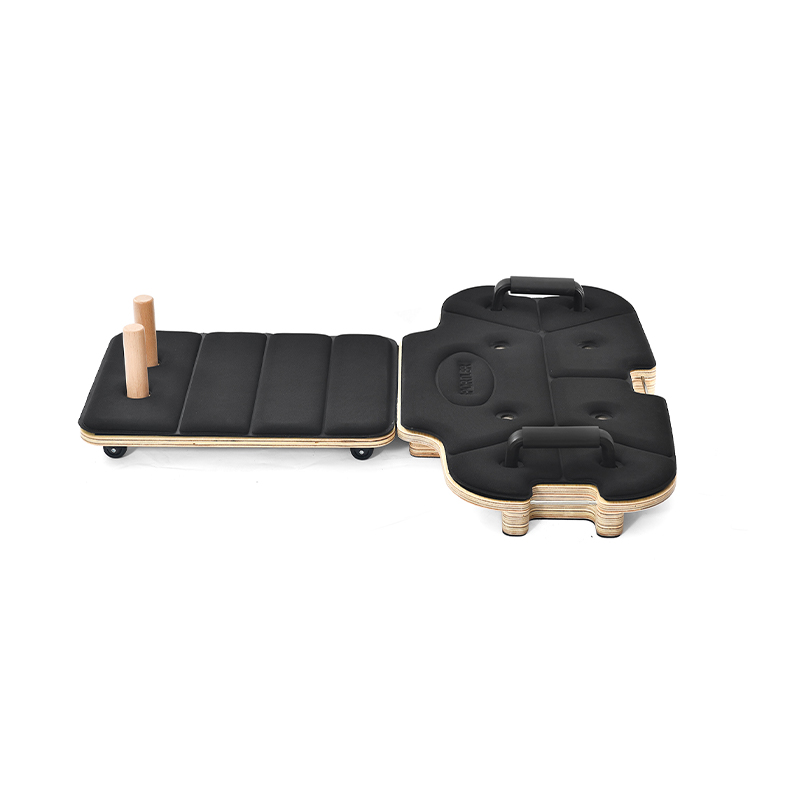
Modern push-up plank support tools may include:
- Stable base platforms that reduce wrist strain
- Non-slip surfaces for safer indoor use
- Adjustable angles to vary intensity
- Compact designs for easy storage
These adjustments allow users to modify the exercise difficulty without requiring additional equipment. For example, elevating the hands can reduce load for beginners, while decline positions can increase resistance for advanced users.
In addition to physical products, digital guidance has also become part of the solution. Many indoor training programs now incorporate structured push-up plank variations, helping users follow progressive routines rather than repeating the same movement.
The focus is not on complexity, but on making each movement more controlled and repeatable. This aligns with the needs of indoor users who prioritize convenience and time efficiency.
Where the Push-up Plank Fits in Daily Indoor Use
Push-up plank exercises can be applied in various indoor scenarios, depending on the user’s schedule and fitness level. The flexibility of this movement allows it to fit into short sessions or longer structured workouts.
For individuals with limited time, push-up plank can be used as a standalone routine. A few sets performed with proper form can engage the chest, shoulders, arms, and core simultaneously. This reduces the need to switch between multiple exercises.
In more structured training plans, push-up plank often serves as a foundational movement. It can be combined with other bodyweight exercises, such as squats or lunges, to create a balanced routine.
Indoor environments also vary in available space. Push-up plank requires minimal floor area, making it suitable for apartments, small rooms, or shared living spaces. The absence of heavy equipment further simplifies setup and storage.
Another practical use case is rehabilitation or low-impact training. By adjusting intensity and range of motion, users can control the load on joints while still maintaining muscle engagement.
Practical Data and Usage Insights
Observed usage patterns from indoor fitness routines show that multi-functional exercises like push-up plank are often preferred due to their efficiency. The table below outlines typical features and their practical implications in indoor settings:
|
Feature |
Description |
Practical Impact |
|
Compact Design |
Small footprint, easy to store |
Suitable for limited indoor space |
|
Adjustable Intensity |
Angle or position can be modified |
Supports beginners to advanced users |
|
Multi-Muscle Engagement |
Targets upper body and core simultaneously |
Reduces need for multiple exercises |
|
Minimal Setup |
No assembly or complex installation required |
Saves time and encourages consistency |
|
Indoor-Friendly Materials |
Non-slip and floor-safe construction |
Protects flooring and improves stability |
User feedback in indoor training contexts often highlights consistency as a key factor. Simpler tools and movements tend to result in more regular use. Push-up plank fits this pattern by offering a balance between challenge and accessibility.
Broader Impact on Home Fitness Development
The integration of push-up plank into indoor home training reflects a broader shift toward practical fitness solutions. Instead of focusing on specialized equipment, the trend emphasizes adaptability and efficient use of space.
Manufacturers and training platforms are gradually aligning with this direction. Products are being designed with portability and ease of use in mind, while training content focuses on clear, repeatable movements.
This approach also supports long-term engagement. When users can perform effective exercises without complicated setups, they are more likely to maintain their routines. Push-up plank serves as an example of how a simple movement can meet evolving indoor fitness needs.
Frequently Asked Questions
- Is the push-up plank suitable for beginners?
Yes, beginners can start with modified versions such as the knee-supported push-up plank or elevated hand positions. These variations reduce the load while allowing users to learn proper form.
- How often should push-up plank be included in indoor workouts?
It can be performed 3–4 times per week, depending on overall training volume. Adequate rest between sessions helps maintain performance and reduces fatigue.
- Does push-up plank require additional equipment?
Not necessarily. It can be performed on the floor, but optional support tools may improve comfort and allow more variation in intensity.
- What muscles are primarily engaged?
Push-up plank works the chest, shoulders, triceps, and core muscles. Proper form ensures balanced engagement across these areas.
- Can push-up plank replace other strength exercises?
It can cover multiple muscle groups, but combining it with lower-body and mobility exercises creates a more balanced routine.
- How can users track progress with push-up plank?
Progress can be measured by increasing repetitions, improving form stability, extending hold duration, or adjusting the angle for greater difficulty.