
 English
 русский
 Español
Push-up Plank and Indoor Home routines are becoming increasingly integrated as users look for structured ways to maintain strength training without relying on large equipment or dedicated gym spaces. This article outlines how Push-up Plank training is being incorporated into Indoor Home exercise setups, what practical changes have been introduced, and how users can apply these adjustments in real scenarios.
Changing Expectations for Home-Based Training
Indoor fitness habits have shifted in recent years, with more users prioritizing flexible, space-efficient workouts. Traditional bodyweight exercises remain relevant, but many users report difficulty maintaining consistency due to limited variation and unclear progression paths. Push-ups and planks are widely known, yet when performed separately, they may not fully address coordination, endurance, and core engagement within a single sequence.
Another challenge lies in the lack of structured guidance. Many Indoor Home users rely on short video clips or fragmented advice, often causing repetitive routines without measurable progress. As a result, there is growing interest in combined movement patterns that can be easily integrated into daily schedules while offering more comprehensive engagement.
Product Adjustment: Combining Push-up and Plank into a Single Training Flow
The Push-up Plank approach introduces a combined movement sequence that merges dynamic pressing actions with static core stabilization. Instead of treating push-ups and planks as separate exercises, this method connects them into a continuous flow, allowing users to transition between positions without interruption.
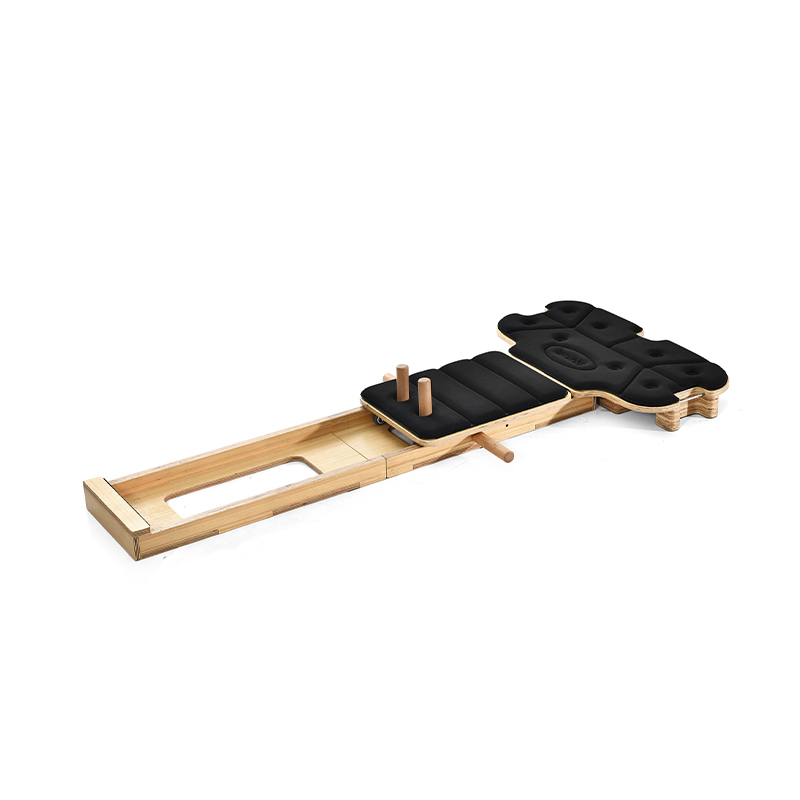
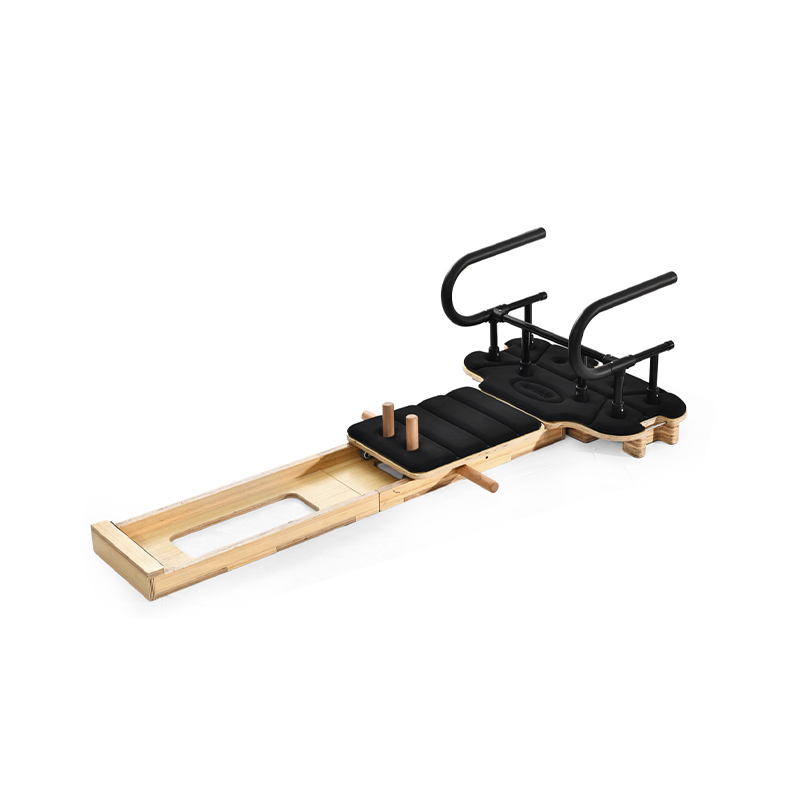
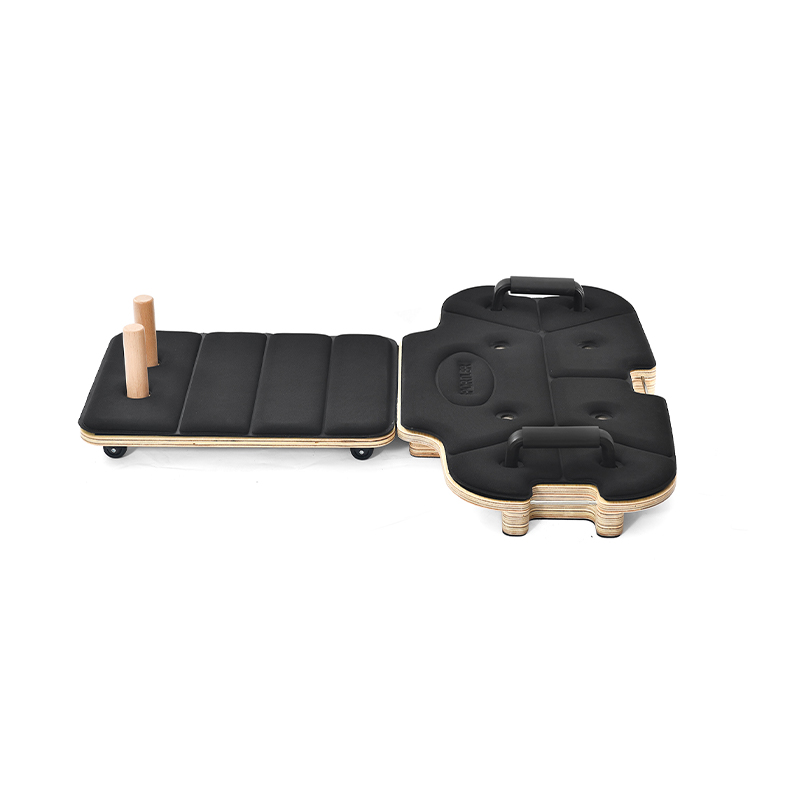
From a product design perspective, this has influenced the development of compact training tools and floor-based accessories that support both stability and wrist alignment. Common adjustments include:
- Slightly elevated grip surfaces to reduce wrist strain during transitions
- Non-slip base materials to maintain position on indoor flooring
- Compact form factors suitable for storage in small living spaces
The movement itself typically follows a pattern: starting in a high plank, lowering into a push-up, then returning to plank hold before repeating. This integrated structure encourages controlled pacing and consistent form.
Real Use Cases Across Indoor Environments
Push-up Plank training is adaptable to various Indoor Home environments, from apartments to shared living spaces. Users do not require dedicated workout rooms, making it suitable for:
- Living rooms with limited open floor space
- Bedrooms where quick sessions are preferred
- Office corners for short activity breaks
In practice, users often incorporate this method into short sessions ranging from 10 to 20 minutes. For example, a basic routine may include alternating Push-up Plank sets with rest intervals, allowing gradual increases in duration or repetitions over time.
Additionally, this training style aligns with users who prefer minimal setup. There is no need for complex assembly or large equipment, which reduces barriers to starting and maintaining a routine.
Observations and Practical Data from Usage
While individual results vary, general observations from user feedback and trial routines indicate several practical outcomes:
|
Training Element |
Observed Adjustment |
|
Session Duration |
Typically 10–20 minutes per session |
|
Space Requirement |
Approx. 1–2 square meters |
|
Movement Complexity |
Moderate, suitable for guided beginners |
|
Equipment Dependency |
Optional, often minimal |
|
Routine Frequency |
3–5 times per week |
Users have noted that combining movements reduces the need to switch between different exercises, which helps maintain focus during short sessions. Additionally, structured repetition patterns make it easier to track progress compared to unstructured routines.
Broader Implications for Indoor Training Development
The integration of Push-up Plank into Indoor Home exercise reflects a broader shift toward multi-functional training methods. Rather than increasing the number of separate exercises, current approaches focus on combining movements to improve efficiency within limited time and space.
This trend also influences how training content is delivered. Instructional materials are increasingly emphasizing sequence-based routines rather than isolated demonstrations. For users, this means less time spent planning workouts and more time performing structured activities.
From a product perspective, there is continued interest in compact, adaptable tools that support multiple exercise forms. This aligns with the needs of users who prefer flexible solutions that fit into daily life without requiring significant adjustments to their environment.
Frequently Asked Questions
- Is Push-up Plank suitable for beginners?
Yes, beginners can start with shorter durations and fewer repetitions. Adjusting pace and maintaining proper form is more important than completing a high number of sets.
- Do I need equipment for Indoor Home Push-up Plank training?
No, the exercise can be performed using bodyweight alone. However, simple tools like push-up handles may help with wrist positioning.
- How often should this routine be performed?
A common approach is 3–5 sessions per week, depending on individual schedules and recovery time.
- What is the main difference between traditional push-ups and Push-up Plank training?
The combined method links push-ups with plank holds, creating a continuous movement rather than separating the exercises.
- Can this be included in a short daily routine?
Yes, many users integrate it into sessions lasting around 10–20 minutes, making it suitable for busy schedules.
- What should I focus on during the exercise?
Maintaining alignment of the body, controlled movement, and consistent breathing are key factors for effective practice.