
 English
 русский
 Español
Pilates is entering a new stage of development, shaped by flexible formats, wider accessibility, and growing interest from people with busy schedules. As daily routines accelerate and fitness habits diversify, many users are looking for a form of exercise that fits into short breaks, living-room spaces, and shifting work patterns. Pilates appears to match this need with options that range from express sessions to at-home routines and even heated variants offered by some studios.
Recent research supports this shift. According to data from the Physical Activity Council, participation in Pilates in the United States grew steadily from 2020 to 2024, with many respondents citing convenience and approachable intensity as reasons for choosing the practice. The International Health, Racquet & Sportsclub Association (IHRSA) has also reported a continued rise in interest in formats that can be completed in less than 20 minutes. These indicators point to a question many observers are asking: Why are short and flexible Pilates formats drawing more attention than before?
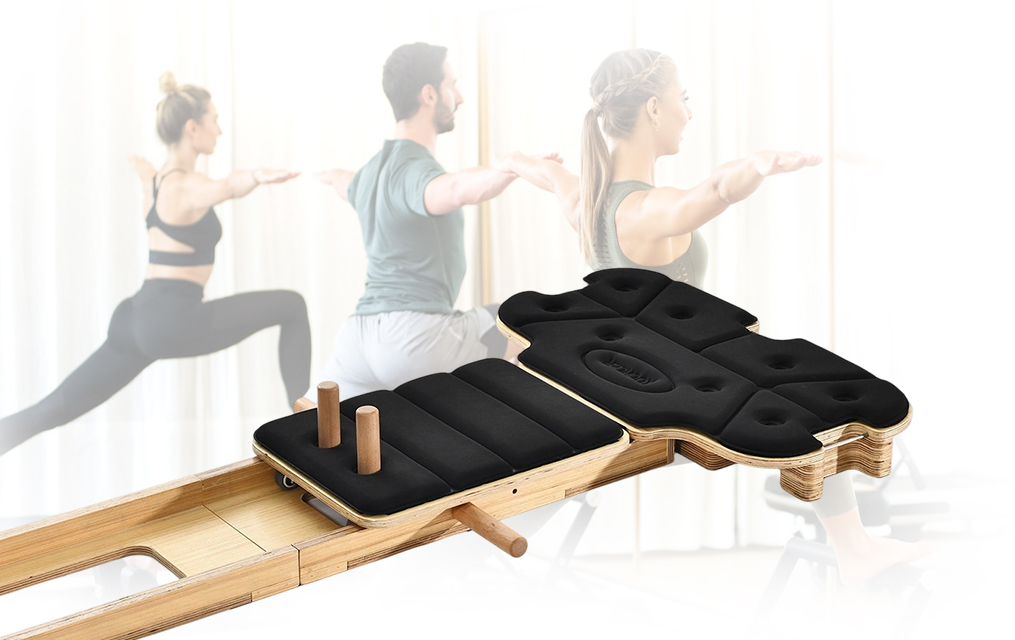
One explanation lies in how these formats match the routines of individuals who seek movement without rearranging their entire day. Express sessions, online classes, and compact equipment make Pilates possible in apartments, offices, and travel settings. Heated Pilates and hybrid programs that combine strength and mobility elements also extend its appeal to those who want structured training while maintaining joint-friendly intensity. The variety is widening, and this creates a path for newcomers who may have felt unsure about traditional studio settings.
At the same time, a vigorous debate has formed around the difference between trained instructors and influencer-driven content. They question whether such classes prioritize correct technique, safe joint alignment, or long-term physical development. These questions highlight an important point for beginners: What factors should they consider when choosing a teacher? Should they look at credentials, teaching experience, and communication style rather than follower counts?
This discussion has encouraged more transparency in the community. Many certified instructors now emphasize education, technique breakdowns, and progress-friendly programming. They aim to demonstrate that Pilates is not defined by appearance standards, studio aesthetics, or social media trends. Instead, it is a method centered on posture, core stability, controlled movement, and awareness of the body’s mechanics. These qualities have attracted people with different backgrounds, body types, and training histories.
Pilates is also undergoing a cultural shift. For years, boutique studios shaped much of its public image, sometimes leading observers to associate the practice with exclusivity or specific lifestyle markers. Now, however, a broader user base is bringing new interpretations. On video platforms, many people share routines done in living rooms; others post modifications for different mobility levels; and some discuss the emotional or mental calm they experience during practice. These voices contribute to a question frequently raised in discussions: What if Pilates can be both exercise and a daily ritual? Both movement and a form of self-care?
This blend of practicality and personal meaning is influencing the market as well. Home-friendly Pilates accessories, minimal-space setups, and online membership programs are becoming popular. People who want both toning and mobility work can follow hybrid classes that combine stretching, core control, and low-impact strength training. Those who prefer short routines can find timed sessions that align with break periods between work tasks. And individuals who enjoy group energy can choose studio classes without feeling required to follow uniform body standards.
As these developments continue, Pilates is gradually expanding beyond its earlier identity. It remains a method focused on alignment, controlled breathing, and functional strength, yet it is also becoming part of a larger wellness culture that values balance, sustainability, and adaptable routines.