
 English
 русский
 Español
As more people look for practical and space-efficient workout solutions, the Fitness Ball is steadily becoming one of the most widely used tools in home exercise routines. A recent analysis from several market research groups shows that the global market for stability and fitness balls continues to grow, supported by the rise of home training, flexible schedules, and functional workouts. Why are so many households turning to this simple inflatable tool? Why has a product once seen mainly in gyms and clinics entered living rooms, small apartments, and even office spaces?
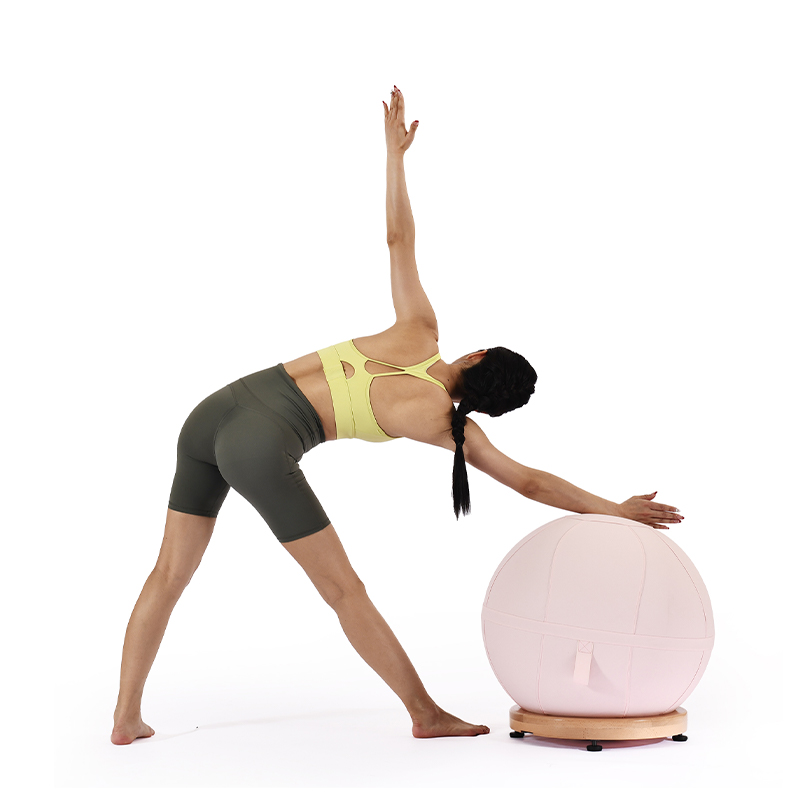
Part of the answer lies in its accessibility. Many fitness and lifestyle publications highlight how a Fitness Ball can support core engagement, posture alignment, balance training, and flexibility work without requiring large machines or dedicated studio space. For people living in compact homes, shared apartments, or dormitories, the ball’s lightweight design and compact storage make it a convenient option. Instead of relying on bulky equipment, users can complete a full-body routine with simple bodyweight movements such as rollouts, bridges, wall squats, seated balance exercises, or spine-mobility drills. How many tools offer core training, stretching, and stabilising functions while costing less than many monthly gym memberships? This practicality is one of the reasons the Fitness Ball consistently appears in home workout guides and beginner-friendly exercise programs.
Its versatility also extends far beyond traditional exercise sessions. An increasing number of remote workers are using the Fitness Ball as an alternative chair for what is often called “active sitting.” This approach encourages small posture adjustments throughout the day, which may reduce prolonged static positions associated with long hours of desk work. Instead of sitting in one fixed posture, users gently engage their core as they shift and rebalance, creating a more dynamic seated environment. By combining light movement with daily tasks, the Fitness Ball becomes both a fitness accessory and a lifestyle tool. Could this dual-purpose role be one reason it remains visible in ergonomic discussions and workplace wellness recommendations?
The appeal of the Fitness Ball spans a wide range of users. Fitness coaches often suggest it for beginners who want gentle support during core training, while physiotherapists may use it for rehabilitation movements that emphasise balance, coordination, and gradual strengthening. Expectant mothers sometimes choose ball-based exercises due to their controlled, low-impact nature. Office workers and students appreciate its posture benefits, while advanced exercisers incorporate the ball into strength, yoga, or Pilates routines to add instability and refine movement control. Few training tools are capable of serving beginners and experienced athletes in such different ways. Flexibility training, core stability, balance development, recovery exercises, and light conditioning can all be supported by the same piece of equipment. This range of functions is one of the reasons the Fitness Ball continues to appear in online tutorials, wellness programs, and hybrid training methods.
As wellness culture evolves, more consumers seek equipment that fits seamlessly into their lifestyles rather than requiring significant space or long sessions. People want tools that work with flexible schedules, small living spaces, and accessible routines. In this context, the Fitness Ball meets modern expectations by offering multi-use functions, budget-friendly entry, and compatibility with both structured workouts and everyday habits.