
 English
 русский
 Español
The Yoga Ball is steadily becoming a familiar part of home fitness routines, workplace setups, and everyday lifestyle habits. Once associated mainly with gyms, Pilates studios, and rehabilitation centers, it has now entered living rooms, small apartments, remote-work desks, and wellness-focused communities. This shift reflects broader changes in how people approach exercise and daily health. According to industry data, the global market for stability and fitness balls has shown consistent growth in recent years, supported by increasing home-training adoption and the rise of flexible exercise formats. What is driving this transition from specialized equipment toward an accessible household item?
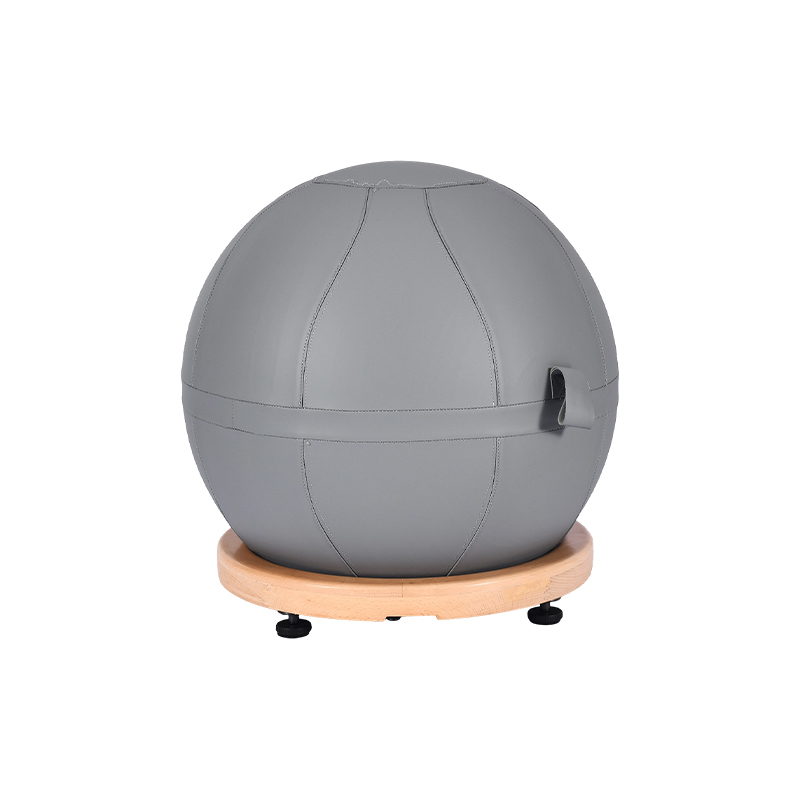
Affordability, portability, and multifunctional value play significant roles. Many urban and small-space residents look for tools that do not require large rooms or heavy equipment, and the Yoga Ball fits this need well. It is lightweight, easy to inflate and store, and usable in a wide range of environments including apartments, dormitories, and home offices. Instead of relying on machines, users can perform stretching, balance drills, mobility movements, and core-focused exercises using only the ball and bodyweight. How many tools can support flexibility training, posture alignment, balance development, and relaxation sessions without occupying permanent space? As living environments become more compact, these questions increasingly influence consumer preferences.
Beyond exercise, the Yoga Ball is gaining attention for its role in posture and workplace wellness. Remote work has become a lasting part of modern routines, and many employees seek ways to reduce the effects of prolonged sitting. Using a Yoga Ball as a temporary seating option, sometimes referred to as “active sitting,” encourages subtle engagement of core muscles and periodic posture adjustments. This approach appears across wellness blogs, ergonomic discussions, and user communities that share personal experiences about reduced stiffness, increased awareness of spinal alignment, or improved comfort during long working hours. While not intended to replace supportive office chairs entirely, the Yoga Ball offers a flexible option for people who want to incorporate small amounts of movement throughout the day.
Its versatility also allows it to serve people with different levels of physical activity. Beginners appreciate the gentle support it provides during core activation or mobility practice. Rehabilitation professionals often incorporate ball-based exercises for balance, coordination, and controlled movement. Prenatal and postnatal users rely on its soft support for mobility and breathing exercises. Meanwhile, experienced fitness practitioners integrate the Yoga Ball into strength training, Pilates, yoga flows, or stability challenges. The ability to adapt to multiple goals—flexibility work, balance training, light conditioning, posture correction, or recovery—keeps the Yoga Ball relevant in a wide range of wellness programs.
As usage expands, discussions about proper sizing, safety, and maintenance have also become more common. Fitness educators emphasize choosing the correct ball diameter based on height, ensuring proper inflation, and practicing mindful movement to avoid unnecessary strain.
Overall, the Yoga Ball is increasingly viewed not only as a fitness accessory but as a lifestyle tool that supports modern routines. It aligns with trends toward flexible schedules, at-home workouts, compact living, and wellness-focused habits. As people search for ways to integrate movement into busy days—whether through brief mobility sessions, posture breaks, or low-impact routines—the Yoga Ball offers an accessible and multifunctional option.