
 English
 русский
 Español
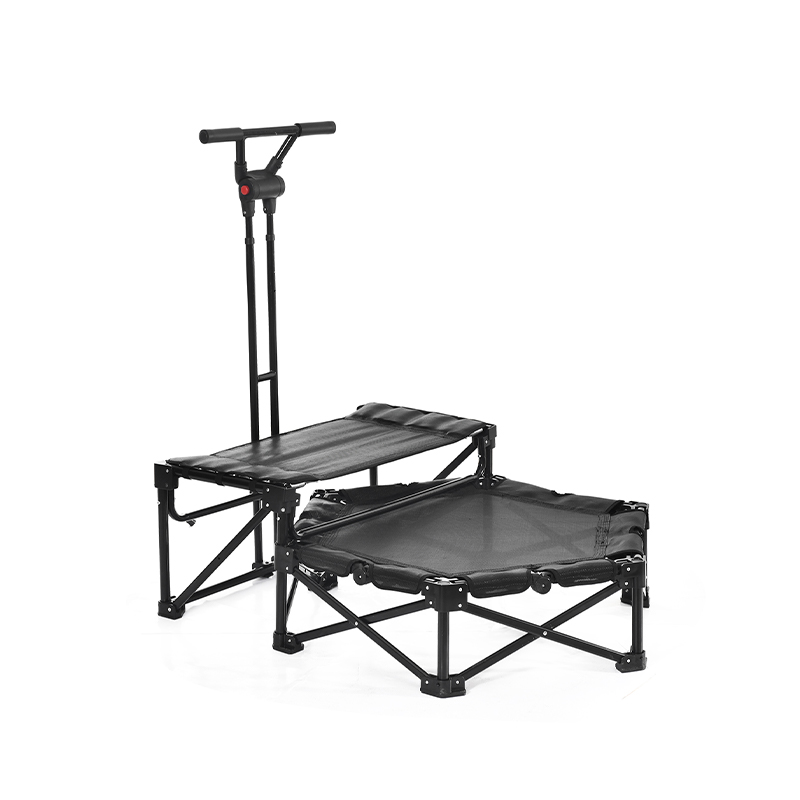
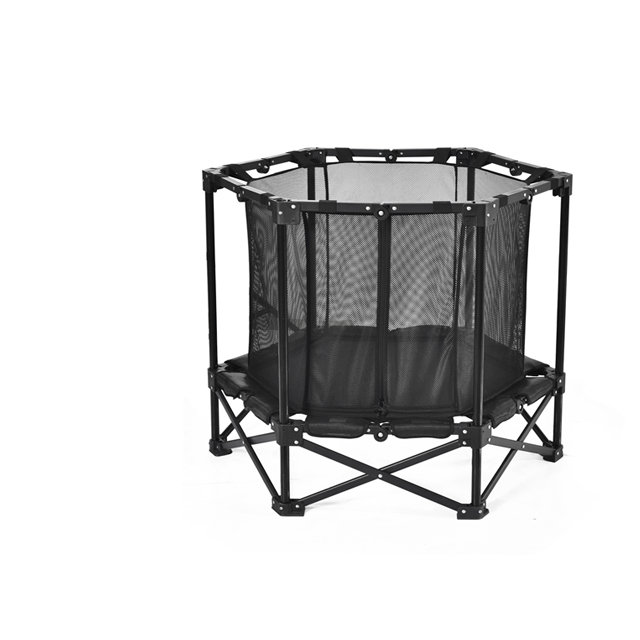
Folding Trampoline is gaining wider attention as more people seek home-friendly, low-impact ways to stay active. In recent years, gentler fitness methods have attracted individuals who prefer comfortable movement styles, smaller spaces, or exercise routines that blend into daily life. Mini and foldable trampolines have gradually moved from niche equipment to a visible part of the home exercise market. Why are more people choosing them? Why are compact cardio tools becoming part of both fitness habits and lifestyle choices?
Across bodyweight training communities, joint-friendly exercise groups, and users seeking mild cardio routines, folding trampolines are often suggested as part of low-impact activity plans. Many people look for movements that support balance, mobility and light cardiovascular engagement without the discomfort that sometimes comes from high-impact running or jumping.
A Low-Impact Option for Everyday Movement
One reason for the rising interest is the combination of jumping, cardio and enjoyment in a single activity. Users often describe the experience as rhythmic, playful and adaptable. For individuals who avoid high-impact workouts or prefer shorter indoor sessions, the trampoline offers energy without requiring intense strain. This aligns with broader wellness trends showing that many people now prioritize consistency over intensity, and comfort over complexity.
Indoor exercise has become more common as hybrid work schedules and urban living patterns develop. The folding trampoline fits well into these routines: it can be used in a living room for a short session, folded and stored under a bed, or placed in a corner without occupying much space. These qualities appeal particularly to apartment residents, renters and individuals sharing limited living areas.
Convenience Versus Stability in Structural Discussions
With growing adoption comes discussion. One recurring topic is the comparison between folding structures and non-folding structures. Many users appreciate folding legs for the convenience of setup, storage and portability. They value the practical advantage of being able to put the trampoline away immediately after use. For people who prioritize flexible living spaces, this design can be essential.
On the other hand, some users express concerns about potential stability differences. They wonder whether a non-folding frame may offer slightly more consistent balance during certain movements. They ask whether foldable components could introduce minor shaking in sessions that require steady footing. These questions highlight a healthy consumer focus on safety, durability and construction quality—factors that frequently appear in online discussions and product reviews.
This contrast—convenience versus stability, flexibility versus firmness—reflects a broader theme in modern home fitness. Consumers want versatility, but they also want reliability. They prefer space-saving items, but not at the expense of confidence during use.
A Growing Lifestyle Product Beyond Fitness Alone
The folding trampoline now represents more than a simple exercise tool. It is influenced by three parallel trends: a lower barrier to starting fitness, growing interest in casual indoor activity, and the blending of entertainment with movement. People choose it not only for cardio, but also for stress relief, music-based routines, warm-ups, or playful micro-workouts. It supports a lifestyle in which fitness can be spontaneous, enjoyable and space-efficient.
Consumer feedback consistently highlights a few recurring motivations:
— the ability to exercise without complex preparation
— the appeal of compact, easy-to-store equipment
— the desire for routines that integrate smoothly into home life
— the expectation of dependable materials and safe design
Market observations also show that search interest in mini and foldable trampolines continues to stay active. Many buyers specifically prioritize small-space solutions, making this category relevant across different age groups and fitness levels.