
 English
 русский
 Español
Indoor Home Fitness Equipment is becoming a central focus for consumers who want a simple, flexible and accessible way to stay active at home. Among different product categories, lightweight, beginner-friendly and portable equipment is capturing a growing share of user interest. Why are compact items such as resistance bands, small dumbbells, foldable steppers, mini exercise bikes and balance boards gaining so much traction? Why are more people choosing “small but practical” tools instead of investing in large machines? The answers reflect broader lifestyle changes reshaping the global fitness landscape.
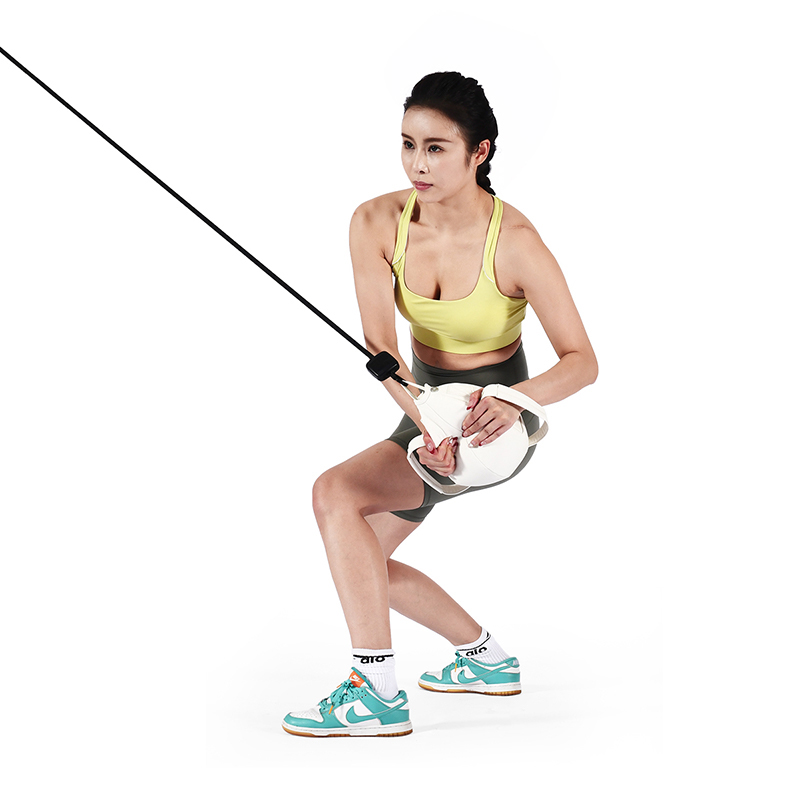
Lightweight and Beginner Options Becoming Entry-Level Choices
For individuals who want to try home workouts without committing too much space or budget, compact equipment has become the preferred starting point. The trend is clear: resistance bands that fit in a drawer, elastic ropes that weigh almost nothing, dumbbells designed for easy storage, and foldable cardio tools that hide under a bed are increasingly viewed as “entry-level gear” for Indoor Home Fitness Equipment users.
This shift aligns with the broader movement toward “low-threshold fitness.” People want to train anytime, anywhere. They want routines that fit into a living room, a rented apartment, a shared space or even a temporary living environment. Lightweight equipment offers simplicity, affordability and convenience—three factors that consistently rank high in consumer surveys.
Demand for Home Fitness Remains High
The rise of home exercise did not fade when gyms reopened. Instead, the habit stuck. Industry analyses show that since 2020, the global home fitness equipment market has expanded significantly, supported by new digital workout formats, hybrid work schedules and increased awareness of long-term wellness.
Why are people staying with home workouts? Many cite time constraints. Many mention space limitations. Many say that training at home simply feels more comfortable than going to a gym. When combined, these motivations explain why Indoor Home Fitness Equipment has developed into a sustained consumer trend rather than a short-lived response to external conditions.
Multi-Functional and Space-Saving Devices Become Mainstream
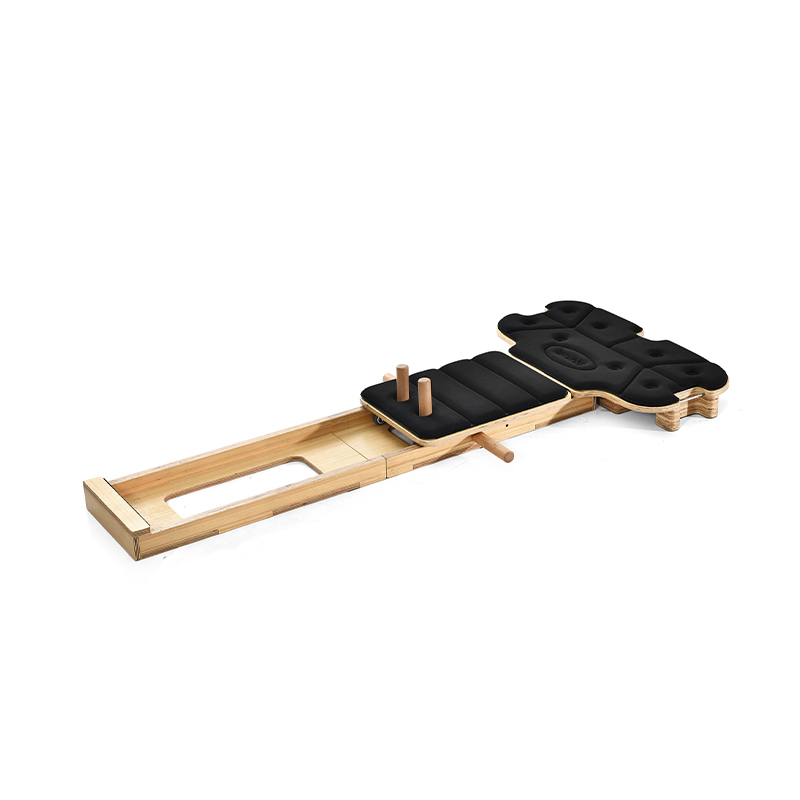
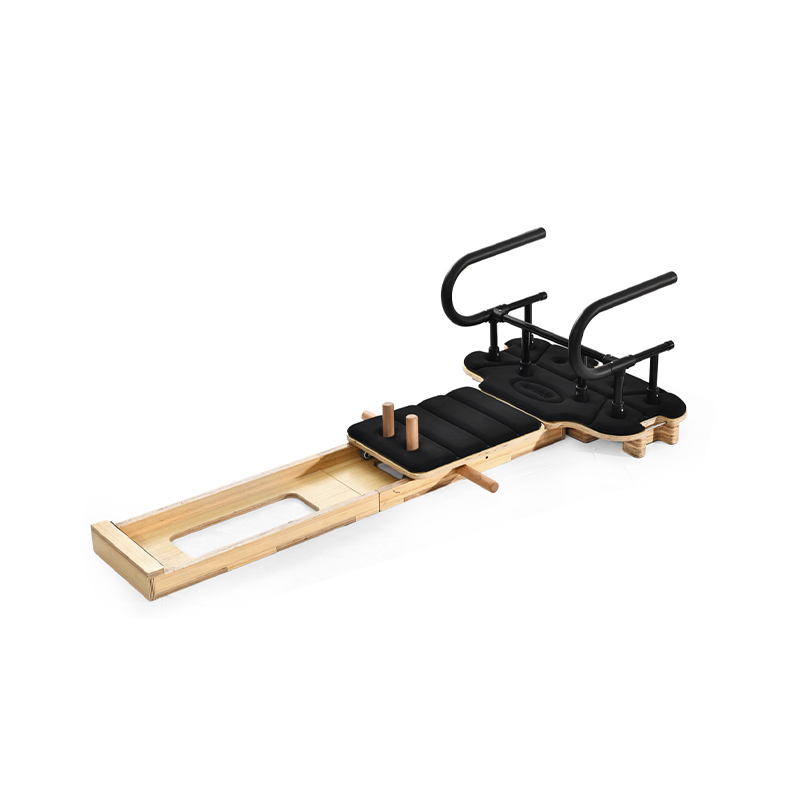
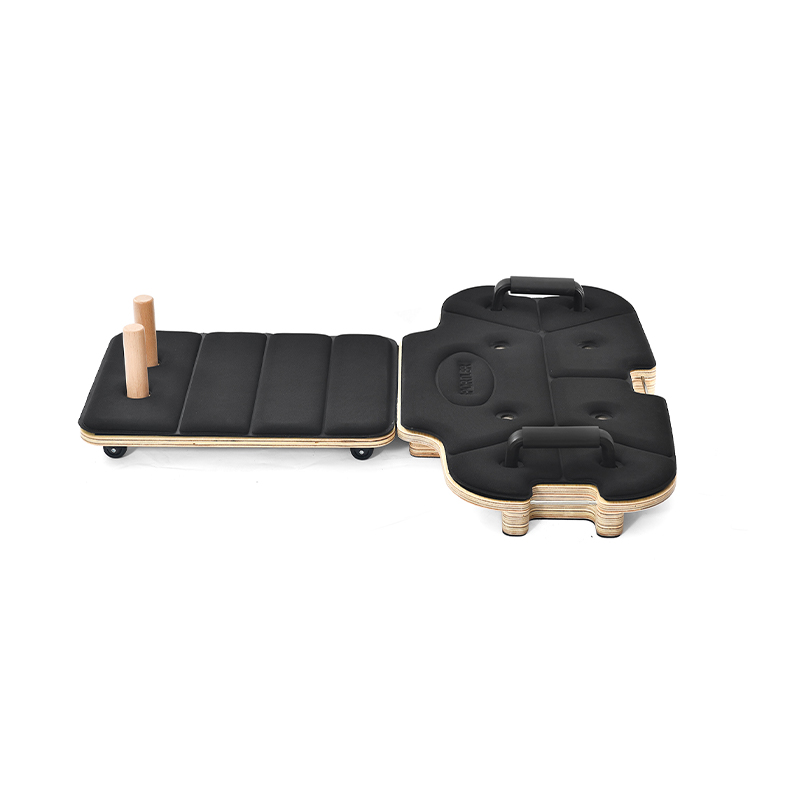
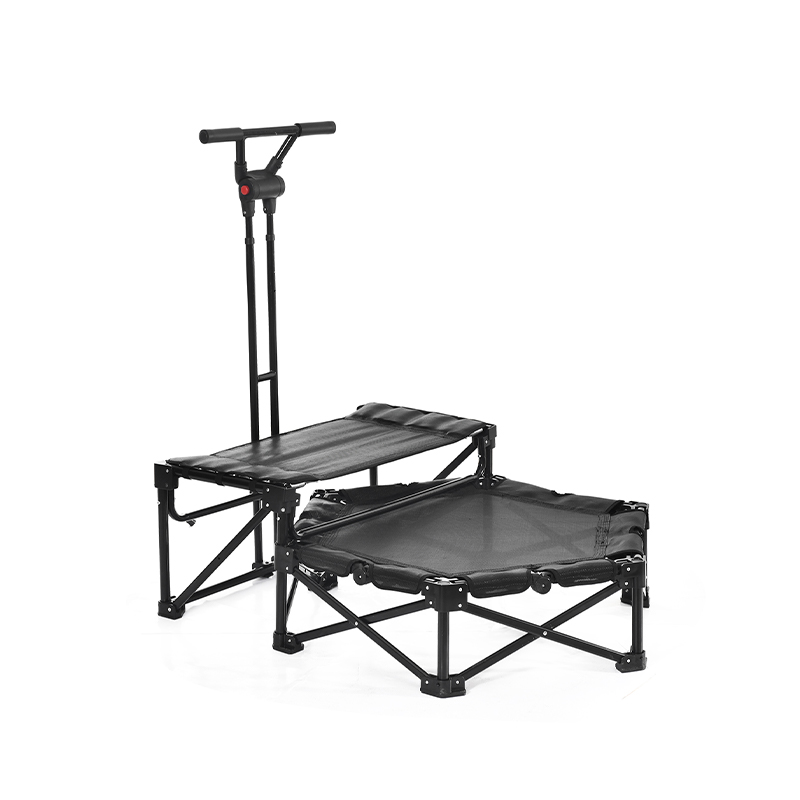
As living spaces become increasingly compact—especially in cities—users are prioritizing multi-functional, adjustable and space-saving designs. The preference is shifting toward equipment that serves multiple purposes while occupying minimal space. Adjustable dumbbells that replace an entire rack, compact training stations that support various movements, and foldable treadmills or steppers that slide against a wall are growing in both search volume and sales.
Consumers are asking practical questions:
How can one piece of equipment support several training styles? How can a living room shift between leisure and exercise modes? How can a device be stored without disrupting daily life?
These questions reflect a deeper demand for hybrid living spaces where fitness integrates seamlessly with modern home routines.
The Continued Evolution of Home Fitness
Analysts observe that home fitness is moving beyond traditional equipment categories. The market is gradually integrating digital guidance, simple tracking functions and modular accessories that let users customize their routine. Even without large machines, users can build a complete training setup using portable tools. As a result, the Indoor Home Fitness Equipment segment is becoming more inclusive, more adaptable and more consumer-driven.
From lightweight beginners’ tools to multi-purpose foldable designs, the direction is consistent: people want fitness solutions that are efficient, flexible and suitable for small spaces. As long as urban living remains compact and personal wellness continues to rise in importance, the Indoor Home Fitness Equipment market is expected to maintain its upward momentum.