
 English
 русский
 Español
Push-up Plank and Indoor Home training are increasingly combined in practical fitness routines, and this article explains how this approach supports structured strength development, space-efficient exercise, and adaptable daily use. It focuses on how push-up plank techniques function in indoor environments, what changes in product design support them, and how users can apply them effectively without complex setups.
The Shift Toward Indoor Training Needs
Limited space, time constraints, and changing exercise habits have encouraged more people to build routines within their homes. Indoor workouts are no longer seen as temporary alternatives but as consistent, long-term solutions. However, one common issue is the lack of structured guidance, which can cause repetitive or less targeted exercises.
Traditional bodyweight movements like push-ups are widely used, but without variation or support tools, they may not fully engage different muscle groups or maintain user motivation. This creates a demand for simple yet adaptable tools that help users maintain correct posture and introduce variation without requiring large equipment.
Push-up plank techniques address this gap by combining stability training with upper-body strength work. When integrated into indoor environments, they provide a controlled way to activate multiple muscle groups while maintaining flexibility in workout intensity.
Product and Technique Developments Supporting Push-up Plank Training
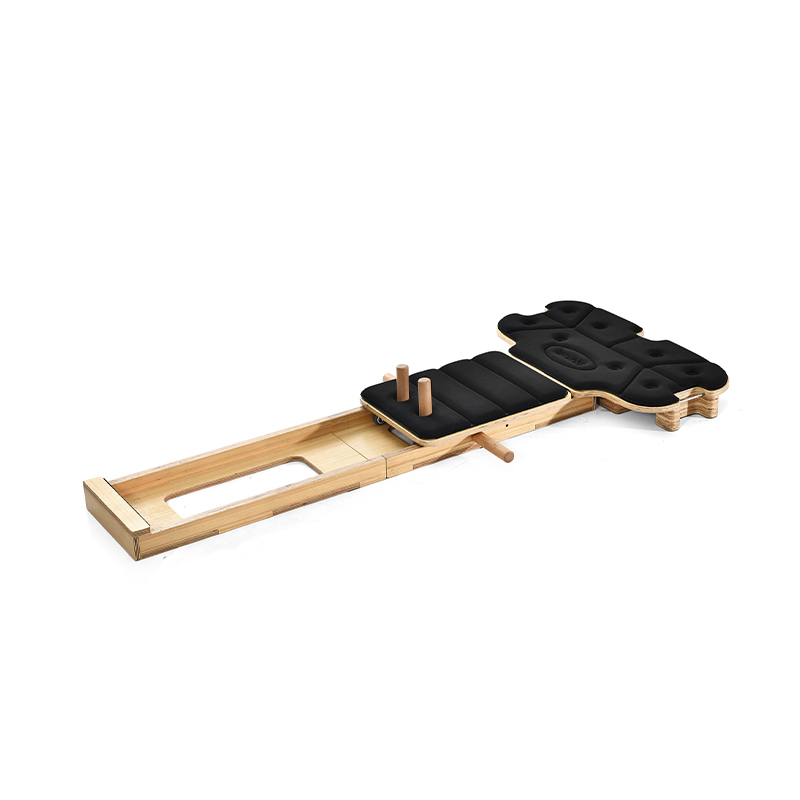
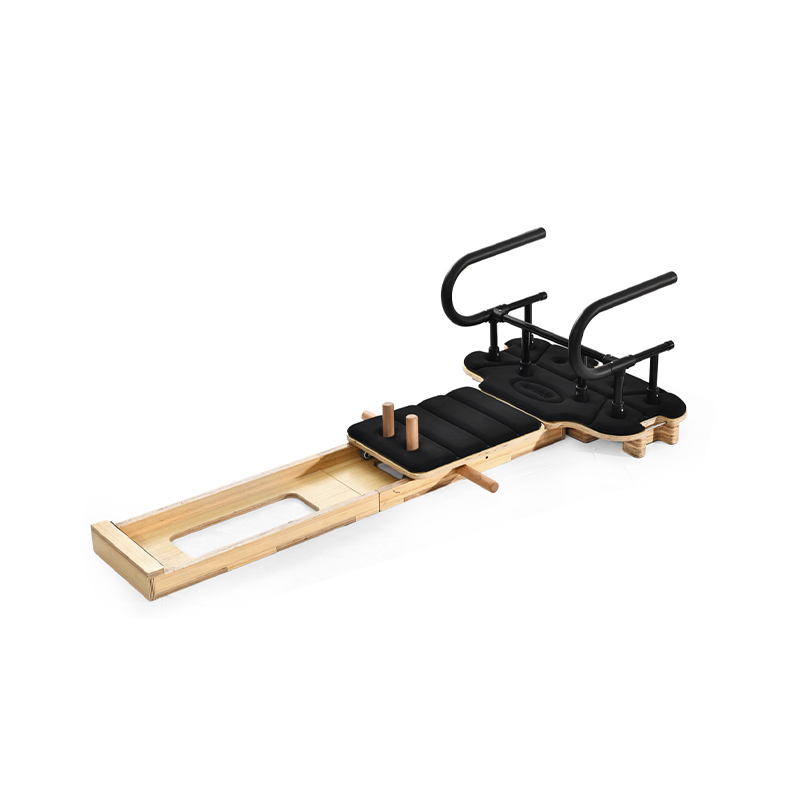
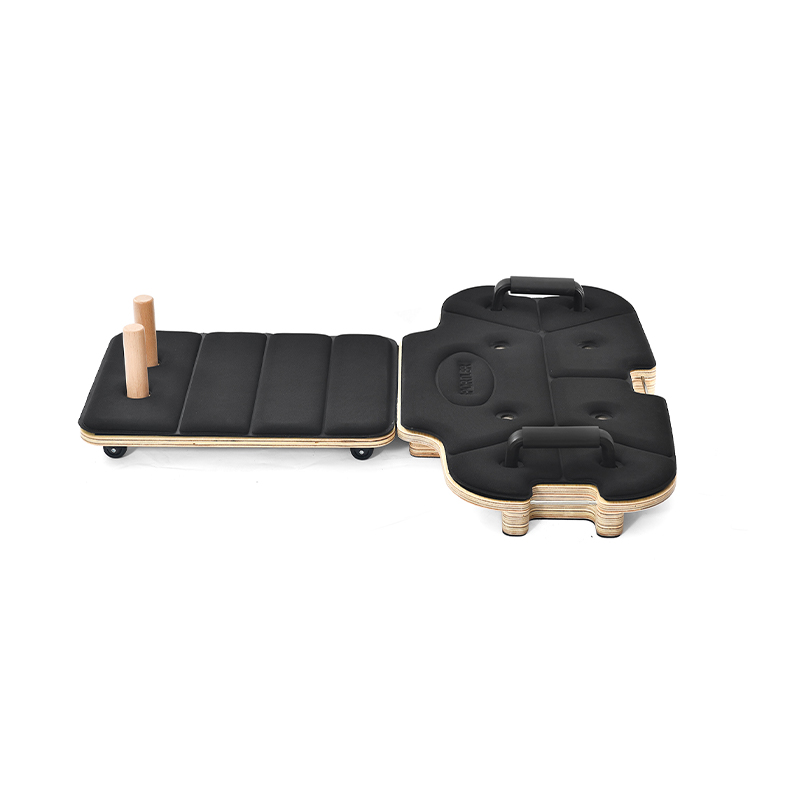
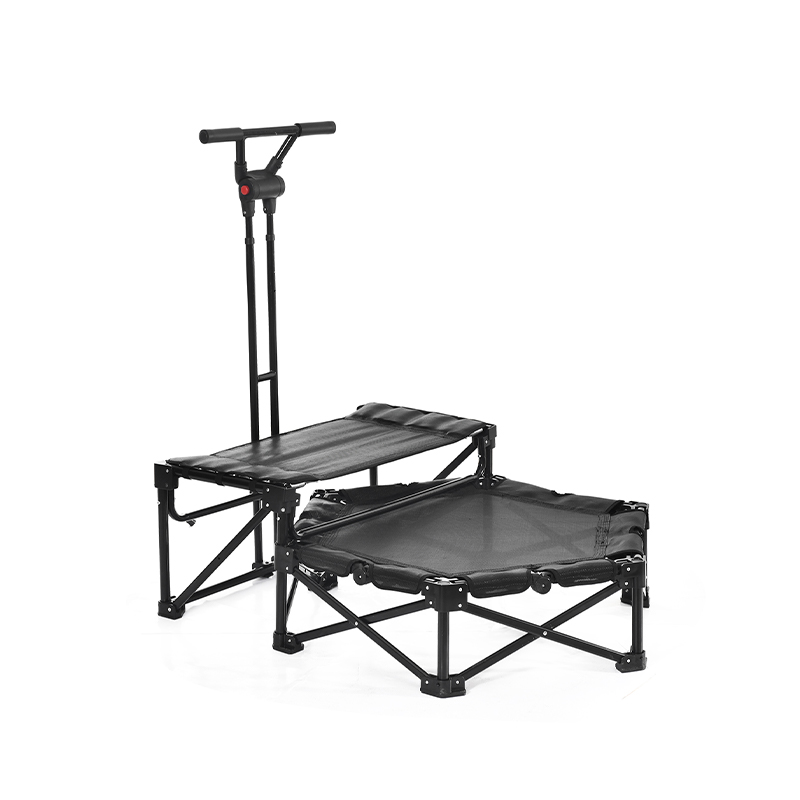
Recent product designs related to push-up plank training focus on portability, modular structure, and guided positioning. These tools are often lightweight and designed for flat indoor surfaces, making them suitable for living rooms, bedrooms, or small fitness corners.
A typical push-up plank setup may include a base platform with marked positions or detachable handles. These elements guide hand placement, allowing users to adjust angles and target different muscle areas such as chest, shoulders, and triceps while maintaining plank stability.
Below is a simplified overview of common product features and their practical use:
|
Feature |
Practical Function |
|
Anti-slip base |
Keeps the platform stable on indoor flooring |
|
Color-coded positions |
Guides hand placement for different muscle focus |
|
Detachable handles |
Allows flexible grip and movement variation |
|
Compact structure |
Easy to store after use |
|
Durable material |
Supports repeated daily training |
From a technique perspective, combining push-up and plank movements encourages controlled motion. Instead of fast repetitions, users are guided toward slower, more deliberate actions, which can help maintain form and reduce unnecessary strain.
Where Push-up Plank Fits into Indoor Home Routines
Push-up plank training can be integrated into different types of indoor workout plans depending on user goals and experience levels.
For beginners, it often serves as an entry point into strength training. The plank component helps build core stability, while modified push-up angles reduce pressure on joints. For more experienced users, the same setup can be adjusted to increase difficulty through extended hold times or varied hand placements.
Common indoor use scenarios include:
- Short daily sessions during work breaks
- Structured home fitness routines without large equipment
- Supplementary training alongside cardio exercises
- Low-noise workouts suitable for shared living spaces
Because the equipment is compact, it does not require a dedicated workout room. Users can integrate sessions into existing routines, such as morning warm-ups or evening exercise blocks.
Observations from Practical Use and Routine Integration
In practical indoor settings, consistency tends to be more important than intensity. Users who adopt push-up plank routines often focus on maintaining a steady schedule rather than increasing load quickly.
A simple weekly structure might look like this:
|
Day |
Focus Area |
Example Activity |
|
Monday |
Upper body + core |
Push-up plank variations (15–20 mins) |
|
Wednesday |
Core stability |
Extended plank holds + light push-ups |
|
Friday |
Mixed routine |
Combined push-up plank circuits |
This type of structure allows users to gradually adapt to the movements while avoiding overuse of specific muscle groups. It also supports flexibility, as sessions can be shortened or extended depending on available time.
From user feedback across general indoor fitness communities, common observations include improved awareness of posture and better control during bodyweight exercises. These changes are often linked to the slower, more controlled nature of push-up plank movements rather than increased workout duration.
Broader Impact on Indoor Fitness Equipment Design
The growing use of push-up plank techniques reflects a broader trend in indoor fitness: equipment is becoming simpler, more adaptable, and easier to integrate into daily life. Instead of large machines, users are turning to compact tools that support multiple exercise variations.
This shift also influences how products are developed. Manufacturers are focusing more on usability, such as intuitive design and quick setup, rather than complex mechanisms. The goal is to reduce barriers to starting and maintaining a workout routine.
Additionally, indoor fitness products are increasingly designed with multi-functionality in mind. A single piece of equipment is expected to support different exercises, reducing the need for multiple tools in limited spaces.
Frequently Asked Questions
- Is push-up plank training suitable for beginners?
Yes, beginners can start with modified positions, such as knee-supported planks or reduced push-up angles. The adjustable nature of the setup allows gradual progression.
- How much space is needed for indoor use?
A small flat area is usually enough. Many push-up plank platforms are compact and can be used within a space of about one square meter.
- How often should this type of training be done?
Many users follow a schedule of 3–4 sessions per week, depending on their overall fitness routine and recovery time.
- Does it require additional equipment?
No additional equipment is necessary. However, a yoga mat can be added for comfort if the floor surface is hard.