
 English
 русский
 Español
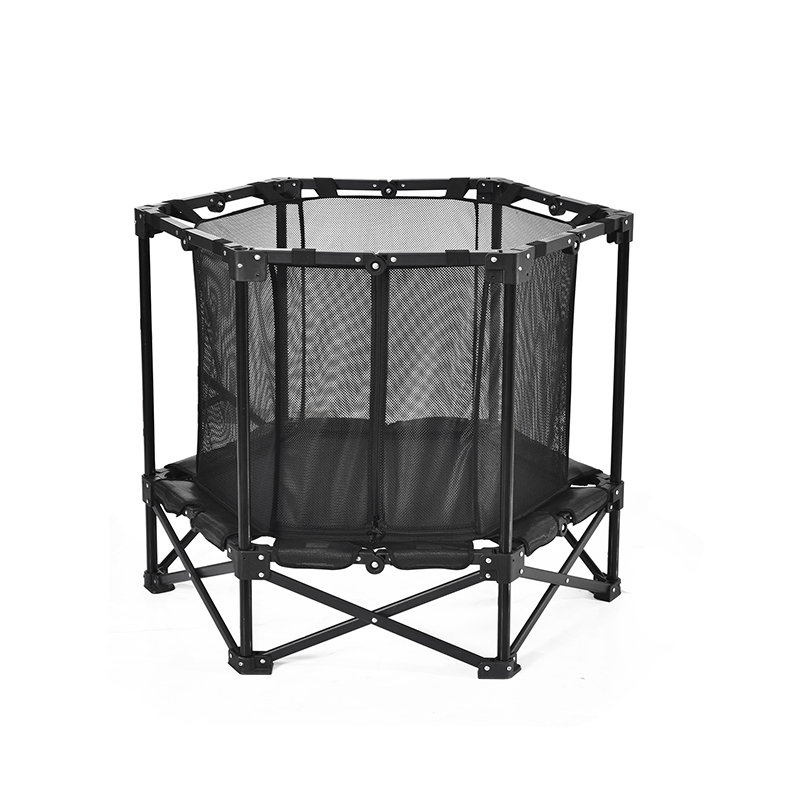
Trampolines are fun. Everyone knows that. Kids love them. Adults sneak onto them when nobody is looking. But a traditional trampoline takes up a lot of space. It sits in the yard all year. Rain or shine. Winter or summer. A folding trampoline solves that problem. The frame folds. The legs collapse. The whole thing becomes a fraction of its full size. You roll it into the garage or shed when the weather turns or when you need the yard space back.
What Makes a Trampoline Foldable
A standard trampoline has a round or rectangular frame. The legs bolt on. The jumping mat attaches with springs or elastic cords. Once assembled, it stays assembled. Moving it means disassembling it.
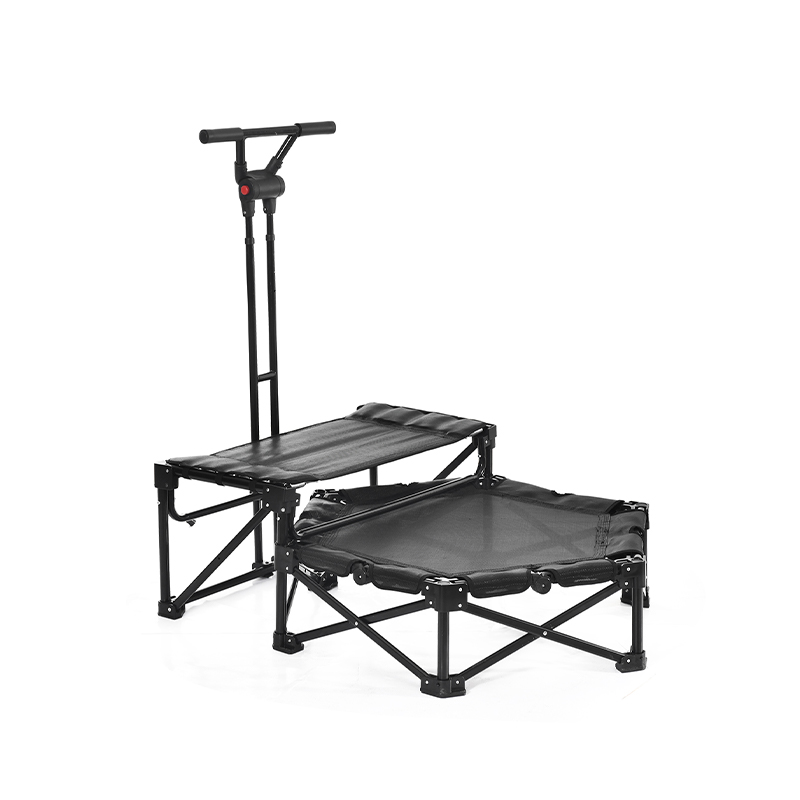
A folding trampoline uses hinges. The frame has two or four hinge points. Unlock the hinges, and the frame folds in half or into quarters. The legs have their own hinges or telescoping tubes. Push a button or pull a pin, and the legs fold flat against the frame.
The jumping mat on a folding trampoline is designed to fold too. The mat is not rigid. It flexes. When the frame folds, the mat folds with it. No need to remove the springs or detach the mat. The whole unit folds as one piece.
Here is how different folding trampoline designs compare:
- Two-way fold — frame splits in the middle, folds into a half-circle shape
- Four-way fold — frame splits into quarters, folds into a compact square
- Fold-and-roll — frame folds, then the whole thing rolls up like a yoga mat
The four-way fold is the compact. A 10-foot folding trampoline with four-way folding might pack down to the size of a large suitcase. Heavy, but storable.
Who Needs a Folding Trampoline
Not everyone needs a folding trampoline. If you have a big yard and live somewhere with mild weather year-round, a standard trampoline is fine. Leave it up. No problem.
But many people are not in that situation.
Homeowners with small yards cannot dedicate 100 square feet to a trampoline all year. A folding trampoline goes up on weekends and gets stored during the week. The yard stays usable for other things.
People in cold climates face another issue. Snow destroys trampoline mats. The weight of snow stretches the fabric and damages the springs. A folding trampoline stored in the garage during winter lasts many seasons. One left outside might need a new mat every year or two.
Renters are another group. A folding trampoline moves when the renter moves. No disassembly required. Fold it, carry it to the truck, unfold it at the new place. A standard trampoline left behind is a gift to the landlord.
Safety Features Specific to Foldable Designs
A folding trampoline has the same safety concerns as any trampoline. But folding adds a few extra considerations.
The hinge mechanism must lock securely. A folding trampoline that accidentally folds during use is dangerous. The jumper could fall into the folding gap. Good designs use double-locking hinges. Two separate actions must happen before the frame folds.
The leg locks need the same attention. A folding trampoline with legs that collapse mid-jump sends the jumper to the ground. Look for positive locking mechanisms. Pins that click into place. Collars that screw tight. Avoid designs where the legs just snap into place with friction alone.
Padding over the hinges is essential. The hinges are metal. Metal against a falling body hurts. A folding trampoline should have thick foam padding covering every hinge and frame joint. The padding should be attached securely, not just sitting on top.
Here are safety checks specific to folding trampoline models:
- Hinges lock with audible click or visible pin engagement
- Leg locks cannot be released by accident during normal bouncing
- Padding covers all hinge points completely, with no exposed metal
- Folding mechanism does not create sharp edges or pinch points
Size Options and Storage Space
Folding trampoline products come in several sizes. The smallest are for toddlers. Three to four feet in diameter. These fold very small. Some fit under a bed or in a closet.
Mid-size models for single jumpers run six to eight feet. A folding trampoline in this range needs storage space about the size of a large suitcase or a small coffee table.
Full-size models for multiple jumpers run ten to twelve feet. These are heavy. The folded package might measure four feet by four feet by one foot thick. You need a corner of the garage or a shed.
Measure your storage space before buying. A folding trampoline that folds but still does not fit where you plan to store it solves nothing.
Making the Right Choice
A folding trampoline is a compromise. You give up some convenience during use — the hinges need checking, the frame is slightly heavier — to gain storage convenience when not in use. For families with limited yard space, harsh winters, or a desire to keep the yard flexible, that compromise makes sense. For everyone else, a standard trampoline is simpler and cheaper. Know your situation before you buy.