
 English
 русский
 Español
Quiet living environments have become increasingly important, especially in apartments, shared housing, and work-from-home settings where excessive noise can disrupt daily routines. Finding ways to stay active without creating disturbance is now a common concern. Equipment such as Folding Trampoline and Fitness Ball offers practical options for indoor movement while keeping sound levels manageable. The trampoline supports light, controlled bouncing, while the fitness ball allows for balance exercises and stretching, making both suitable for low-noise fitness plans that fit into everyday living spaces.
Why Noise Levels Matter in Indoor Exercise Choices
Indoor fitness is not only about convenience but also about how well it integrates with surrounding environments. Loud equipment or high-impact movements can affect neighbors, family members, or even personal concentration during work hours. This is particularly relevant in smaller homes where spaces are shared and walls may not provide strong sound insulation. Choosing equipment that naturally produces less impact noise helps maintain a more comfortable atmosphere. A folding trampoline designed for indoor use typically focuses on controlled rebound rather than forceful jumping, which can help keep sound output relatively low compared to traditional high-impact exercises like running or skipping on hard floors.
How a Folding Trampoline Supports Low-Noise Movement
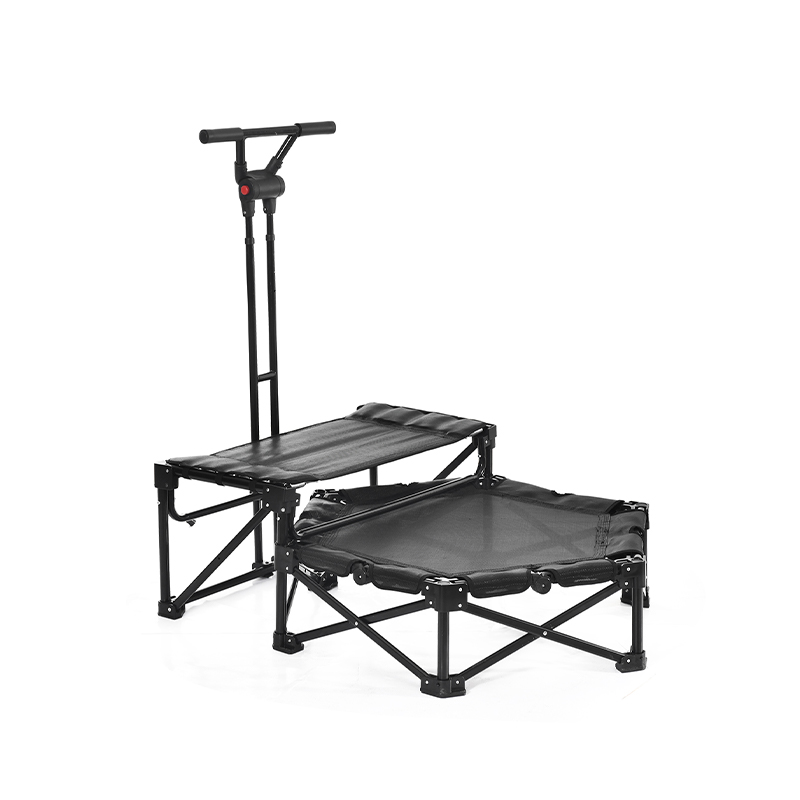
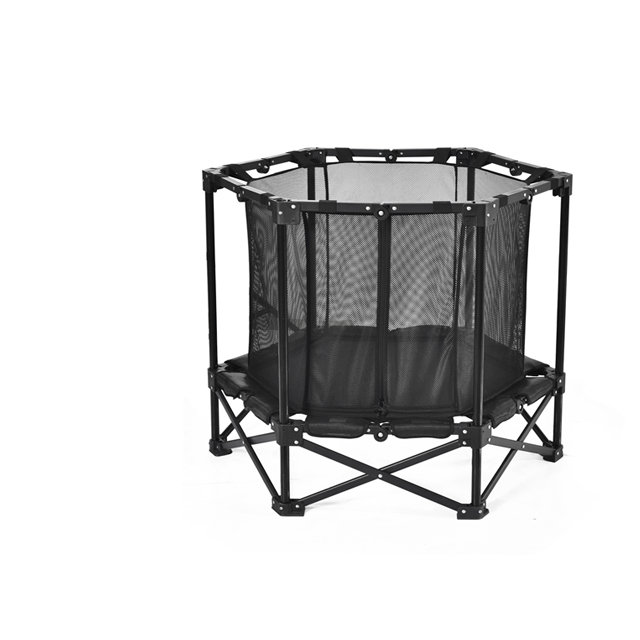
The structure of a folding trampoline plays a key role in how it interacts with indoor surfaces. Instead of direct contact between feet and the floor, the jumping surface absorbs and redistributes movement, which can reduce the sharp sounds often associated with impact-based exercises. The legs of the trampoline are usually designed to provide stable contact with the ground, and when placed on appropriate flooring, they can further limit vibration transfer. This makes it possible to engage in short activity sessions without creating noticeable disturbance in nearby rooms. Additionally, the compact and foldable design allows users to reposition or store the equipment easily, adapting to different parts of the home where noise sensitivity may vary.
Combining Folding Trampoline and Fitness Ball for Balanced Indoor Routines
While the folding trampoline introduces light cardio movement, the fitness ball adds a quieter dimension to indoor fitness. It can be used for seated balance, stretching, or controlled core exercises that produce minimal sound. Alternating between these two tools allows users to create a routine that shifts between active and low-impact phases without increasing noise levels. For example, a short trampoline session can be followed by a period of stretching or posture work on the fitness ball. This combination supports a varied routine while maintaining a consistent focus on quiet operation, which is particularly useful in shared living environments or during early morning and late evening hours.
Practical Tips to Keep Indoor Fitness Sessions Quiet
Maintaining a low-noise workout environment involves not only the choice of equipment but also how it is used. The following considerations can help reduce sound during indoor exercise:
Use Protective Flooring
Placing a mat or carpet under the folding trampoline can help absorb vibration and reduce contact noise with hard surfaces.
Control Jump Intensity
Gentle, rhythmic bouncing tends to produce less sound than forceful or irregular movements.
Check Equipment Stability
Ensuring that the trampoline is fully assembled and positioned on an even surface can prevent unnecessary creaking or shifting sounds.
Wear Appropriate Footwear
Soft-soled shoes or barefoot use can reduce additional noise compared to harder footwear.
Incorporate Quiet Transitions
Switching to fitness ball exercises between trampoline sessions allows the body to stay active while keeping the environment शांत.
These simple adjustments make it easier to maintain a consistent routine without causing disruption.
Adapting Fitness to Shared and Multi-Use Spaces
Homes today often serve multiple purposes, functioning as workspaces, relaxation areas, and activity zones at different times of the day. This makes it important for fitness equipment to adapt without requiring permanent setup. A folding trampoline can be unfolded when needed and stored afterward, freeing up space for other activities. The fitness ball, on the other hand, can remain in the room as a multi-functional item, serving as a seat, support tool, or exercise accessory. This flexibility allows users to maintain a balance between activity and daily responsibilities without rearranging their entire environment.
Supporting Consistency Without Disruption
One of the challenges of indoor fitness is maintaining regular use over time. Equipment that generates noticeable noise may discourage frequent use, especially in shared living situations. By contrast, quieter tools like a folding trampoline and a fitness ball are easier to incorporate into daily routines without hesitation. Short, repeated sessions can be performed throughout the day, whether during work breaks or in the evening, without requiring significant adjustments to the surrounding environment. This ease of use can support more consistent engagement, which is often more practical than relying on occasional, longer workouts.