
 English
 русский
 Español
Tension rope training, often called battle rope exercise, has become a common addition to gyms, training studios, and home fitness routines. This type of equipment consists of long, heavy ropes anchored at one end. Users create waves or rhythmic movements by swinging the ropes repeatedly. Unlike traditional weights or machines, tension ropes provide resistance through momentum and user effort rather than fixed loads, offering a unique and flexible approach to training.
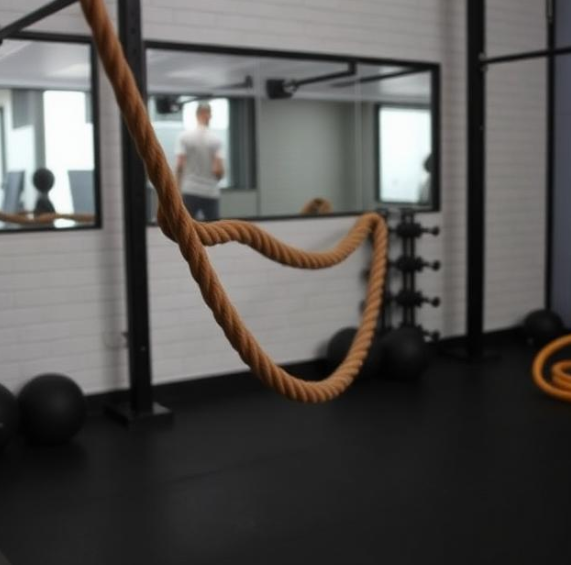
One key benefit of tension rope exercise is its ability to engage multiple muscle groups simultaneously. During rope movements, the arms, shoulders, core, and even legs are involved to generate proper motion and maintain stability. This makes rope training a combination of strength and endurance exercise, helping users build functional fitness. Many athletes and fitness enthusiasts integrate tension ropes into warm-ups, conditioning circuits, or sport-specific sessions to enhance overall body control and coordination.
Research on similar rope-based workouts has shown that consistent practice over several weeks can improve aerobic capacity, upper-body muscular endurance, and core strength. For example, individuals performing structured rope intervals have reported improvements in cardiovascular performance and muscular stamina. The high-intensity nature of the exercise stimulates energy systems efficiently, even in short sessions of 30 to 60 seconds repeated over multiple sets.
Despite these benefits, tension rope training has some limitations. The resistance depends largely on the speed and effort of the user, making it less suitable for precise strength progression compared to free weights. Users seeking strength gains may combine rope workouts with other forms of resistance training. However, the ropes remain highly effective for endurance, explosive power, and cardiovascular improvements.
Tension rope training is also adaptable for various fitness levels. Beginners can start with shorter intervals and slower movements to learn proper technique and gradually increase intensity. More advanced users can modify rope length, grip style, or movement patterns to increase difficulty. Some users even incorporate jumping, squats, or rotational movements to further engage the lower body and enhance coordination.
From a practical standpoint, rope exercises can be performed in small spaces, making them suitable for home workouts. They require minimal setup and can complement other forms of training such as strength circuits, cardio routines, or mobility sessions. The combination of upper-body engagement, core activation, and metabolic demand allows users to achieve comprehensive conditioning in relatively short periods.
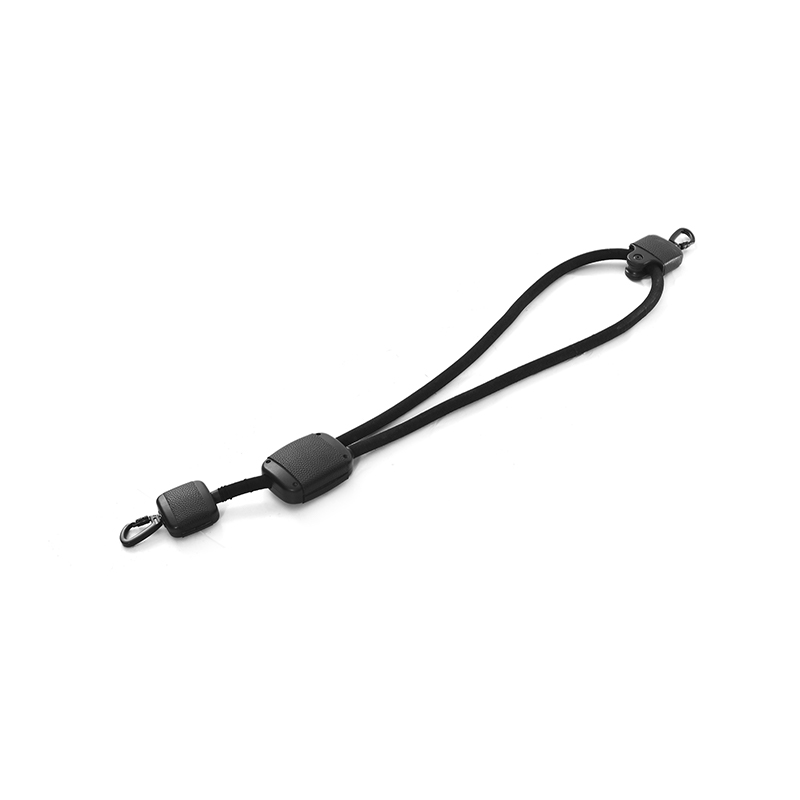
Overall, tension rope training represents a versatile, full-body exercise option that combines strength, endurance, and cardiovascular benefits. Whether used as a primary workout or as part of a broader training program, the exercise promotes functional fitness, muscular control, and energy system development. Its adaptability makes it suitable for a wide range of fitness enthusiasts, from beginners to experienced athletes.
Frequently Asked Questions
Q: What is tension rope training?
A: It is a form of exercise using anchored ropes to create continuous waves or movements, engaging multiple muscle groups.
Q: Can it improve cardiovascular fitness?
A: Yes. Short, repeated intervals of rope exercise can enhance aerobic capacity and stamina over time.
Q: Does it help with strength?
A: It improves muscular endurance and core strength, though it may not replace heavy weight training for maximal strength gains.
Q: How long should a session last?
A: Sessions often consist of repeated 30-60 second intervals with rest in between, performed several times a week.
Q: Is it suitable for beginners?
A: Yes. Beginners can start with slower, shorter sessions and gradually increase intensity as they become comfortable.