
 English
 русский
 Español
A barbell moves in a straight line. A dumbbell pulls straight down. A heavy fitness ball does neither. It shifts. It rolls. It demands that the body stabilize against a load that refuses to stay put. A strength training heavy fitness ball turns a simple press or slam into a full-body coordination challenge. Gyms stack them against the wall. Trainers program them for athletes who have outgrown fixed-path machines. The ball is soft enough to catch and dense enough to punish bad form.
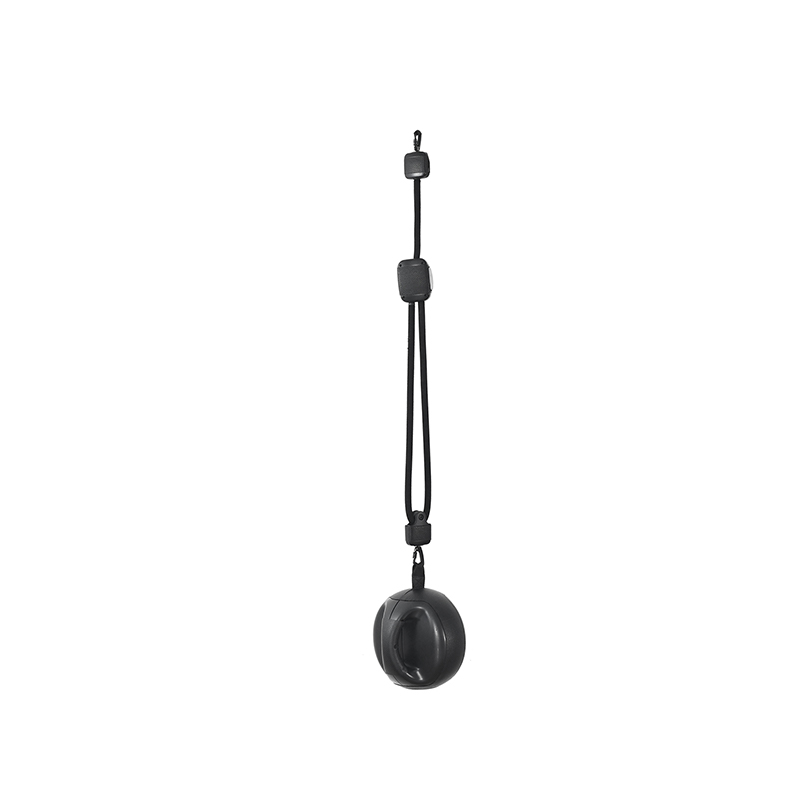
What the Ball Is Actually Made Of
The outer skin takes the abuse. Most heavy fitness balls use a rubber or synthetic leather shell stitched over a thick-walled inner bladder. A strength training heavy fitness ball with a double-stitched or heat-sealed shell survives repeated slams onto rubber flooring and occasional contact with rougher surfaces. Single-stitched seams split. A split seam spills the fill material across the gym floor and ends the workout.
The fill material determines the ball's character. Sand-fill balls are dense and dead. They drop and stay dropped. Iron sand or steel shot fill increases the weight without increasing the diameter, so a 20-kilo ball is still catchable. A strength training heavy fitness ball with a properly packed fill keeps its shape under impact and does not shift its center of mass when thrown.
Diameter matters for grip. A ball that is too wide for the user's hands becomes a finger-strength test instead of a training tool. A strength training heavy fitness ball sized so the hands can span roughly two-thirds of the circumference lets the athlete control the ball through slams, rotational throws, and overhead catches.
Movements That Find the Weak Points
Wall balls punish a ball that is not superbly round. A lopsided fill or a shifted internal bladder changes the bounce angle. The athlete throws against a target ten feet up, catches the rebound, and drops into a squat. A strength training heavy fitness ball that rebounds true saves the athlete from chasing errant bounces.
Slams put the shell and the fill under impact loads that no other exercise replicates. The ball accelerates from overhead to the floor. The shell stretches on impact. The fill compresses and rebounds slightly. A strength training heavy fitness ball built for slams has a shell with enough elasticity to survive hundreds of these cycles without tearing at the seams.
Rotational throws against a wall or to a partner test the grip surface. A ball that is too slick slips out of the hands at the release point. A ball that is too tacky grabs and throws off the release timing. A strength training heavy fitness ball with a textured but non-abrasive surface lets the athlete control the release point without tearing up their palms.
The Weight Range and the Choices
Heavy fitness balls come in weights from 4 kilos up to 30 kilos or more. The lighter balls suit the warm-up and the beginners. The heavier balls suit the power athletes and the slams. A strength training heavy fitness ball in the right weight for the exercise delivers the training effect without the injury risk.
The diameter usually grows with the weight. Some manufacturers keep the diameter consistent and change only the fill density. Athletes who train with multiple weights tend to prefer the consistent diameter. A strength training heavy fitness ball with a consistent diameter across the weight range feels the same in the hand.
The color often codes the weight. A gym with a full set uses the color to grab the right ball fast. A strength training heavy fitness ball with a clear color-to-weight system speeds the workout.
Here is what a strength training heavy fitness ball needs to deliver:
- Double-stitched or heat-sealed shell
- Consistent fill that maintains shape and center of mass
- Diameter that fits the user's grip span
- Surface texture that balances grip and release
- Weight range from light to heavy
- Color coding for fast identification
The Gym and the Program
The strength coach uses the heavy ball for the power development. The slam series, the rotational toss, the overhead throw. These are explosive movements that build the rate of force development in ways the slow lifts cannot. A strength training heavy fitness ball in the coach's program replaces the medicine ball that is too light.
The group class uses the ball for the conditioning blocks. The ball gets picked up, slammed, thrown, and dropped. A strength training heavy fitness ball in the group setting has to survive the users who range from careful to aggressive.
The home gym uses a lighter ball for the full-body circuit. The ball adds the unstable load to the squats, the lunges, and the presses. A strength training heavy fitness ball at home replaces several pieces of equipment.
The Seam That Splits
The seam splits because the stitching was single-pass or the shell was too thin. The fill spills. A strength training heavy fitness ball with reinforced seams and a proper shell holds. The fill shifts and the ball becomes lopsided. A properly packed fill stays centered. The surface tears under the repeated slams. A textured but tough surface holds.
A strength training heavy fitness ball is a tool that fights back. The shell holds the fill. The diameter fits the hands. The weight challenges the body. Choose a ball with a strong shell, a stable fill, and the right weight for the training. The ball will take the slams and come back for more. That is the point. That is what the heavy ball is for.