
 English
 русский
 Español
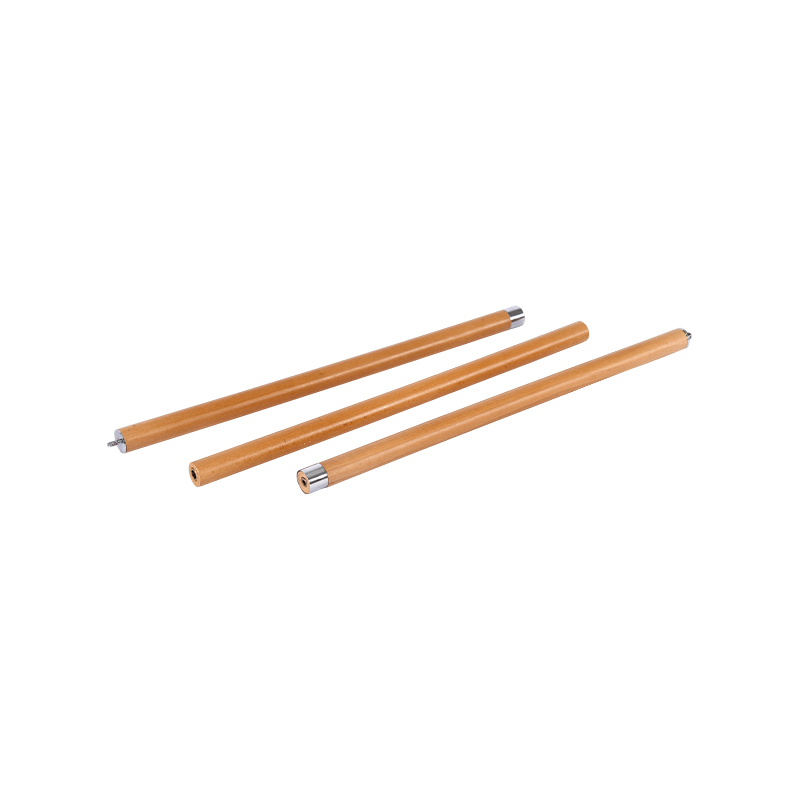
A yoga stick is a length of wood, aluminum, or bamboo, usually about a meter long and a few centimeters thick. It sits across the shoulders to open the chest. It rests on the floor to steady a balance pose. It hangs from the hands to deepen a forward fold. A balanced yoga stick is exactly what it sounds like: a stick with the weight distributed evenly, the ends matched, the thickness consistent, so it feels the same in either hand and at any point along its length. For yoga practitioners who want a prop that helps without getting in the way, the stick is the quiet tool that does the work.
The Material and the Weight
The stick is wood, bamboo, or aluminum. Wood, usually beech or oak, has the warmth and the grip. Bamboo is lighter and has a natural flex. Aluminum is strong and light, but it feels cold and can slip when the hands sweat. A balanced yoga stick in a wood that has been sanded smooth and finished with oil or wax gives the hands a grip without the lacquer.
The weight matters. A stick that is too heavy tires the arms when held overhead. A stick that is too light feels insubstantial and wavers during the balance work. A balanced yoga stick with the right weight for the user's strength feels like an extension of the arms, not a load.
The balance is the point. The ends have to match. A stick that is heavier at one end pulls the body off center. A balanced yoga stick with the weight distributed evenly along the length lets the user hold it in the center or at either end without adjusting.
The Diameter and the Grip
The diameter fits the hand. Too thick and the fingers cannot close. Too thin and the grip feels pinched. A balanced yoga stick with a diameter around 25 to 30 millimeters fits most hands.
The surface finish determines the grip. A smooth finish slides when the hands sweat. A lightly textured or oiled surface gives the hands something to hold. A balanced yoga stick with the right surface holds the grip without being rough.
The ends are finished. A rounded or chamfered end does not dig into the palms or the floor. A balanced yoga stick with properly finished ends is comfortable to hold and does not mark the floor.
The Poses It Serves
The stick across the shoulders opens the chest and the shoulders. The arms loop over the stick, the elbows drape, and the chest lifts. A balanced yoga stick used this way deepens the heart-opening poses.
The stick on the floor steadies the balance. The user stands beside it, places a hand on it, and finds the stability in the standing leg. A balanced yoga stick as a balance aid lets the practitioner work the standing poses without falling.
The stick held overhead stretches the sides. The user takes the stick in both hands, lifts it overhead, and leans to the side. A balanced yoga stick in the overhead stretch extends the reach and opens the side body.
Here is what a balanced yoga stick needs to deliver:
- Wood, bamboo, or aluminum construction
- Weight distributed evenly along the length
- Diameter that fits the hand
- Surface finish that grips without slipping
- Rounded or chamfered ends
- Length suited to the user and the pose
The Studio and the Home Practice
The yoga studio keeps a set of sticks in the prop area. The students grab one for the shoulder work and the balance poses. A balanced yoga stick in the studio rack is the prop that gets used every class.
The home practitioner keeps one beside the mat. It comes out for the morning stretch and the evening practice. A balanced yoga stick at home is the simple tool that deepens the routine.
The physical therapist uses the stick for the mobility work. The patient holds it, reaches with it, and works the range of motion. A balanced yoga stick in the clinic is the aid for the rehab exercises.
The Stick That Warps
The wooden stick warps because the wood was not properly dried or the finish was not sealed. A warped stick rolls and wobbles. A balanced yoga stick with properly dried wood and a sealed finish stays straight. The aluminum stick bends because the wall was too thin. A properly gauged aluminum tube holds. The surface splinters because the wood was not sanded. A properly sanded and finished stick is smooth.
A balanced yoga stick is the simplest prop. A length of material. A consistent diameter. An even weight. It steadies the balance and deepens the stretch. Choose a stick that is straight, smooth, and balanced. The practice will be deeper and the poses will be steadier. That is the point. That is what the yoga stick is for.