
 English
 русский
 Español
A Pilates reformer looks complicated. A frame. A sliding carriage. Springs. Straps. Ropes. But the machine is simple. You lie on the carriage. Push or pull against spring resistance. The movement strengthens muscles without pounding joints. A Pilates reformer machine is used in studios and homes.
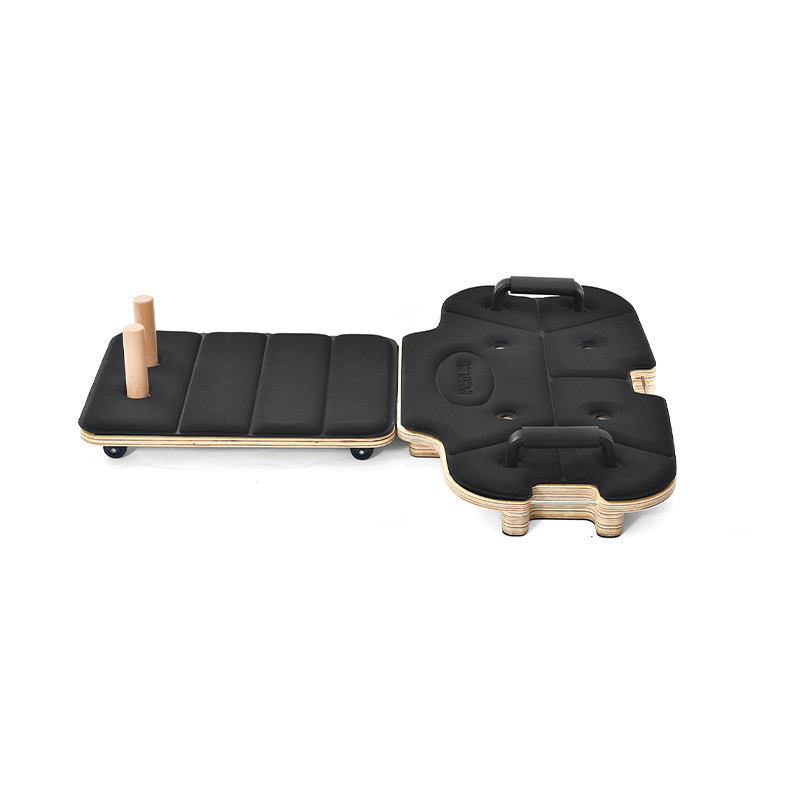
What a Pilates Reformer Does
The carriage slides along rails. Springs provide resistance. You push the carriage away. Springs pull it back. You control the movement. A Pilates reformer machine works the whole body. Arms, legs, core, and back.
Different spring tensions change the workout. Lighter springs for warm-up. Heavier springs for strength. Most machines have 3 to 5 springs. You attach or detach them as needed.
The foot bar crosses the frame near one end. You push against it with your feet or hands. The bar adjusts to different heights. Straps attach to ropes. The ropes run through pulleys to the carriage. You pull the straps with your hands or feet. The carriage moves. Different exercises target different muscles.
Frame Materials and Construction
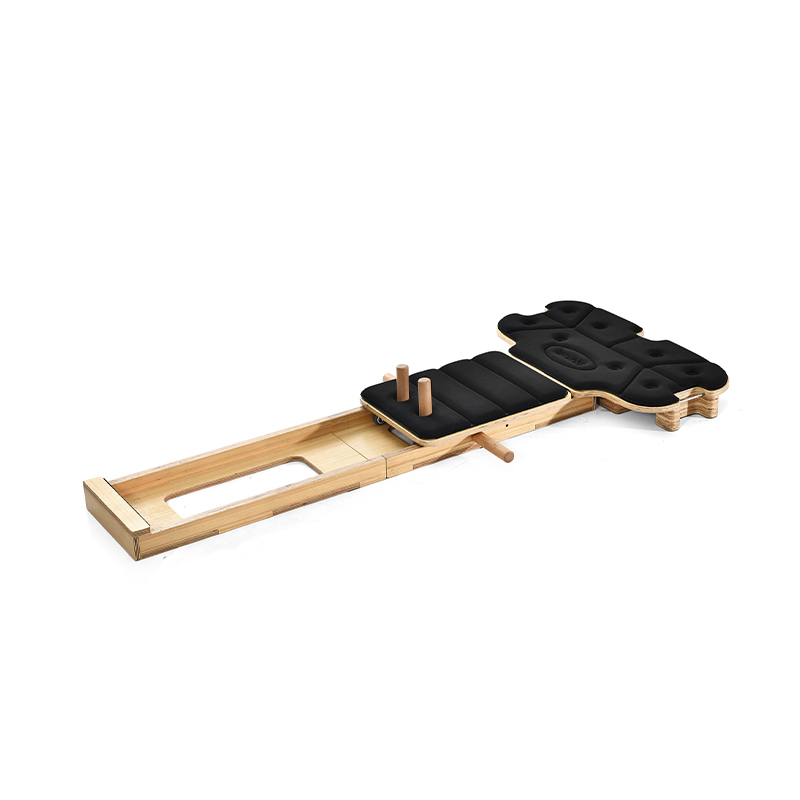
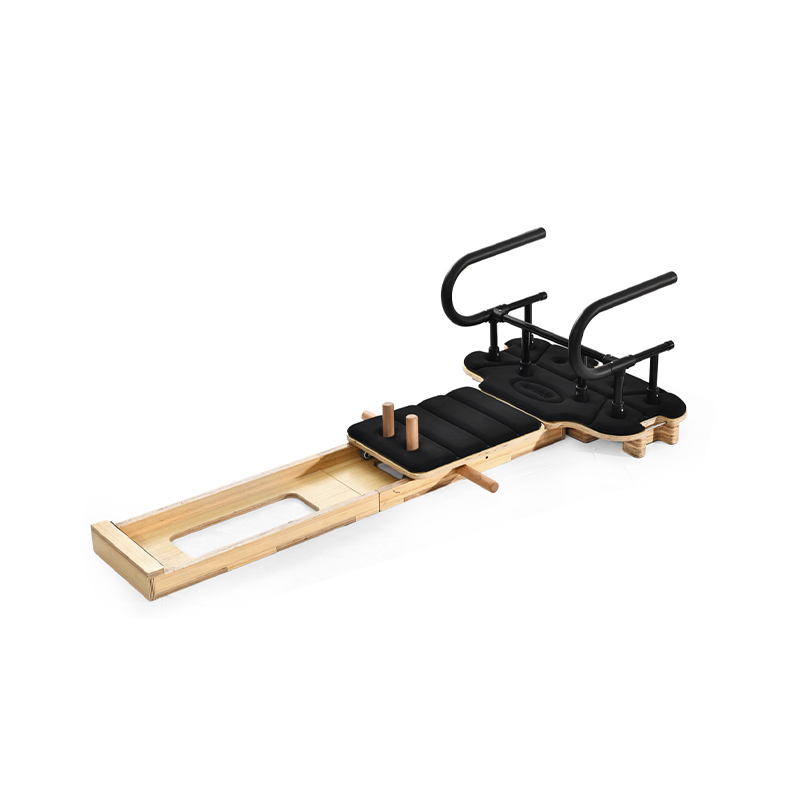
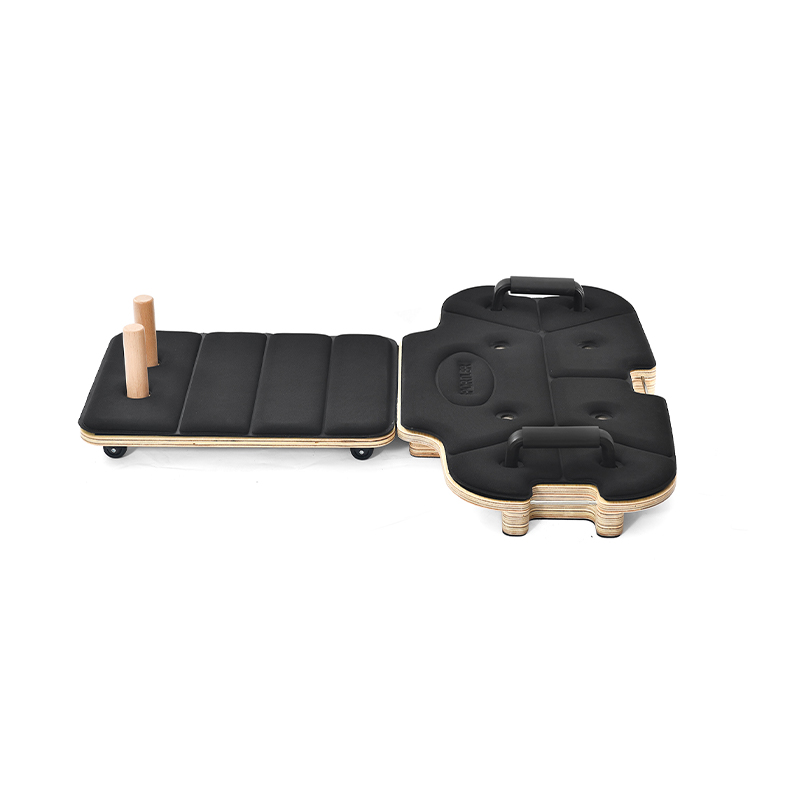
Wood frames are common in home settings. Birch or maple plywood. Wood absorbs vibration. The movement feels smooth. Wood looks nice in a home gym. But wood scratches. Wood dents. Wood can warp in humid basements. A wood frame reformer needs care.
Aluminum frames are lighter and more durable. Aluminum does not warp. It does not rust. A Pilates reformer machine with an aluminum frame weighs less. Easier to move. Easier to stand up for storage. Aluminum frames are often found in studio-grade machines.
Steel frames are the strongest and heaviest. Steel does not flex. A machine with a steel frame feels solid. No wobble. No creak. Steel is heavy. Hard to move. Not for home users who need to store the machine.
Spring Quality and Safety
Springs stretch thousands of times. Stainless steel springs resist corrosion. The spring tension stays consistent. Zinc-plated springs rust over time. Rust weakens the spring. The spring could break during an exercise.
Light springs are for beginners and warm-up. Medium springs for most exercises. Heavy springs for strong users. A Pilates reformer machine with adjustable spring tension lets you progress. Start light. Add springs as you get stronger.
Here is what different spring tensions are good for:
- Light springs — warm-up, arm work, beginners
- Medium springs — core work, leg presses, intermediate
- Heavy springs — advanced strength work, heavy users
Smoothness of the Carriage Ride
The carriage rolls on wheels. Each wheel has bearings. A Pilates reformer machine with sealed bearings rolls smoothly. No noise. No friction. Cheap machines use bushings instead of bearings. Bushings wear out. The carriage wobbles. The ride feels bumpy.
The carriage travels along rails. Aluminum rails are common. Stainless steel rails are better. A machine with polished rails glides. Rough rails grab the wheels. The movement is jerky.
Foot Bar and Straps Adjustability
Different exercises need different foot bar heights. A machine with 4 to 6 height settings covers most exercises. The adjustment mechanism should be easy to use. Pull a pin. Move the bar. Release the pin. Cheap machines have 2 or 3 settings. Limited. Frustrating.
Straps need to be long enough for full range of motion. Short straps limit movement. Adjustable straps solve this. The straps should reach from the carriage to the foot bar with slack. You should not feel limited.
Here is what to check in a Pilates reformer machine:
- Frame material — wood, aluminum, or steel
- Springs — stainless steel for durability
- Carriage — smooth rolling on bearings
- Foot bar — adjustable with 4+ settings
- Straps — long enough for full range
Why Quality Matters
A cheap reformer wobbles. The carriage shifts side to side. You feel unstable. You cannot focus on form. Springs lose tension quickly. Zinc-plated springs weaken. A machine that felt medium on day one feels light by month six.
Cheap wood has voids. A void under a wheel track collapses. The carriage dips. The machine is scrap. Nylon ropes fray. A machine with cheap ropes frays in months. The rope breaks mid-exercise. The carriage shoots forward. Injury.
A good reformer costs more upfront. It lasts for years. The movement feels smooth. The workout is effective. A cheap reformer feels bad from day one. It breaks in months. You stop using it. The money is wasted.
A Pilates reformer machine is an investment in your body. Look for stainless steel springs. Sealed bearings. Polished rails. Solid wood or aluminum frame. Adjustable foot bar. Long straps. Test the machine if you can. Move the carriage. Feel the smoothness. Pull the springs. Check the tension. Sit on the carriage. Does it wobble? A good reformer delivers a smooth, effective workout. That is what buyers look for. That is what a quality machine provides.