
 English
 русский
 Español
Pilates has gained widespread popularity as an effective low-impact workout method that enhances core strength, flexibility, and body awareness. With its focus on controlled movements and breathwork, Pilates offers a unique approach to fitness that targets multiple muscle groups while improving posture and balance.
Core strength is essential for overall physical health, supporting daily activities and reducing the risk of injury. Pilates exercises, which often emphasize the deep stabilizing muscles of the abdomen and lower back, help build a solid foundation for strength training and other physical endeavors. A recent study found that individuals who practiced Pilates regularly exhibited increased core stability and improved muscle endurance compared to those who engaged in traditional cardio workouts. This makes Pilates an excellent choice for people looking to improve their posture and develop a stronger, more functional core.
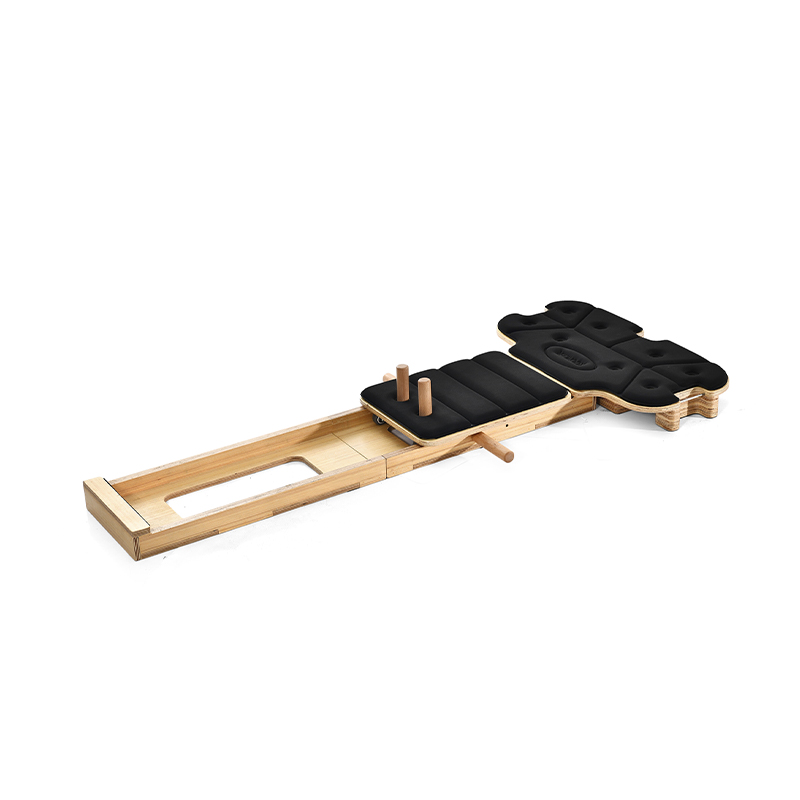
Another benefit of Pilates is its ability to enhance flexibility. The dynamic movements involved in Pilates, such as rolling and stretching, target both large and small muscle groups, promoting greater range of motion and joint mobility. Unlike high-impact exercises that may place strain on the body, Pilates allows for a full-body workout that is gentle yet effective, making it suitable for individuals of all fitness levels. In fact, research has shown that Pilates significantly increases flexibility, especially in the spine and hips, which can help alleviate lower back pain and improve posture.
Moreover, Pilates serves as an excellent complementary exercise to other forms of fitness training. Whether you're into running, cycling, or weightlifting, Pilates can improve flexibility, posture, and muscle recovery, enhancing performance across various activities. For example, athletes often incorporate Pilates into their routine to promote proper alignment and reduce muscle tension, leading to improved recovery and reduced risk of injury.
As a low-impact workout, Pilates also helps individuals who may be recovering from injuries or dealing with chronic pain. It is often recommended by physiotherapists because of its gentle approach to strengthening muscles and improving joint function. Many people with knee, hip, or shoulder injuries find that Pilates allows them to strengthen the muscles around the injured areas without aggravating the condition.
In conclusion, Pilates remains a popular choice for those seeking a holistic approach to fitness. Whether you're aiming to improve your core strength, flexibility, or overall fitness, incorporating Pilates into your routine can yield long-lasting benefits. As the demand for functional fitness continues to rise, Pilates will remain a valuable addition to many workout regimens. Its ability to improve overall health, flexibility, and strength makes it an accessible and effective choice for individuals of all ages and fitness levels.
FAQs:
Is Pilates suitable for beginners?
Yes, Pilates is suitable for beginners. Many classes offer modifications to ensure that people of all fitness levels can participate and progress at their own pace.
How often should I practice Pilates for optimal results?
To see noticeable improvements in core strength and flexibility, aim for 2-3 Pilates sessions per week, combined with other forms of exercise.
Can Pilates help with back pain?
Yes, Pilates is often recommended for individuals experiencing back pain, as it focuses on strengthening the muscles that support the spine.