
 English
 русский
 Español
Spending extended hours at a desk can result in slouched shoulders, forward head posture, and tension in the lower back. Incorporating a Push-up Plank with an Adjustable Elastic Cord provides a home-friendly option to engage the core, shoulders, and back muscles, encouraging steadier alignment. This combination offers a practical way to address posture challenges often associated with remote work while using minimal equipment.
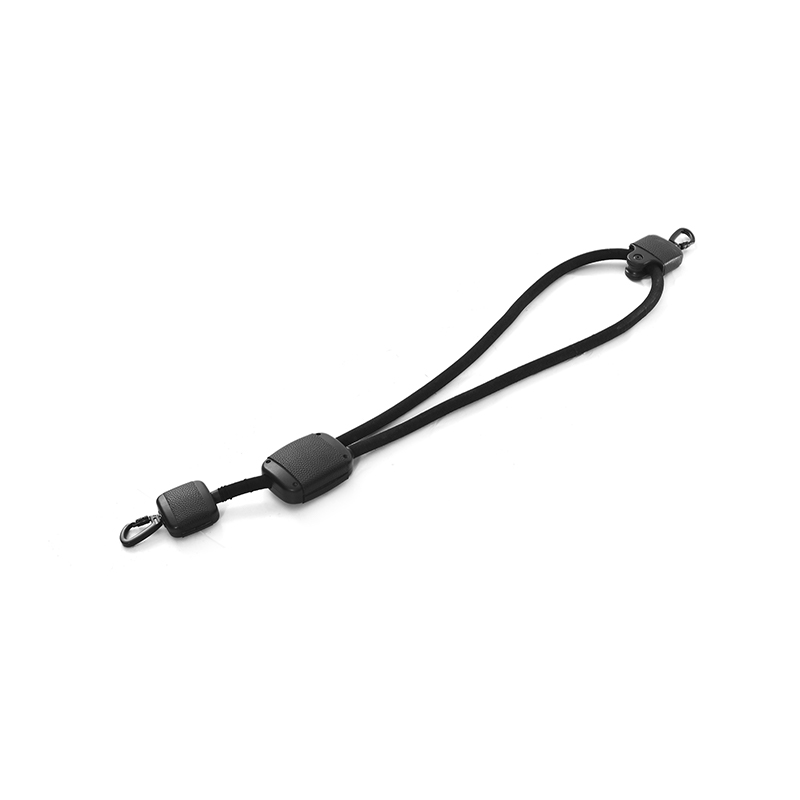
Key Postural Benefits of Push-up Plank
The push-up plank engages the abdominal muscles, back stabilizers, and shoulders simultaneously, which helps maintain a straight spine during exercise. Practicing this movement regularly encourages awareness of body alignment, an important factor when spending long hours seated. The addition of an adjustable elastic cord introduces slight resistance or support, depending on how it is positioned, allowing users to modify intensity and focus on controlled motion.
Proper form involves keeping the shoulders over the wrists, drawing the abdomen inward, and maintaining a straight line from head to heels. The elastic cord can assist in holding alignment for longer durations or support variations such as side planks and arm lifts. By integrating these elements, users can reinforce posture awareness both during workouts and in daily seated activities.
Practical Tips for Using Adjustable Elastic Cord
Secure the cord to a stable anchor, like a door frame or sturdy furniture.
Adjust the cord length to provide gentle assistance or resistance during planks.
Combine cord use with standard push-up planks, side planks, or rotational planks.
Gradually experiment with different tension levels to match current strength and comfort.
This setup allows for multiple exercise variations while remaining compact and easy to use in home environments. The cord encourages steady, controlled movement, helping maintain balance and reducing unnecessary strain on shoulders and lower back.
Integrating Routine for Remote Workouts
Establishing a consistent practice schedule is important for reinforcing postural awareness. Performing push-up plank exercises with the cord two to four times per week, with sessions of about 10–20 minutes, can be manageable for many remote workers. Short breaks between sets help maintain focus and allow muscles to recover without fatigue.
Users can alternate plank types, such as standard holds, side planks, or dynamic plank lifts, using the cord to vary support and challenge. Paired with stretching exercises for the chest, shoulders, and lower back, this approach promotes flexibility while encouraging controlled core engagement throughout the workday.
Observing Alignment During Exercises
Maintaining proper alignment reduces unnecessary pressure on joints and prevents muscle tension. The shoulders should remain over the wrists, the abdominal muscles lightly drawn in, and the back kept straight without sagging. The adjustable cord can act as a guide for controlled movement, particularly during longer holds or lateral variations. Conscious breathing helps maintain stability and supports focus on posture rather than fatigue during practice.
Expanding Exercise Variations at Home
The push-up plank and adjustable elastic cord combination can be adapted for a variety of movements, extending beyond standard planks. Users can explore rotational planks, single-arm lifts, or side planks with cord assistance. Adjusting cord tension or length allows exercises to be scaled according to strength and comfort.
These variations also engage smaller stabilizing muscles around the shoulders, hips, and core that are not always active during conventional routines. By providing directional resistance or support, the cord encourages coordinated movements and steady alignment, which can translate to better posture during prolonged sitting and everyday activities.
Integrating push-up planks with an adjustable elastic cord offers a flexible way to maintain awareness of posture during remote workouts. With careful attention to form and controlled movement, users can develop steadier alignment habits that support everyday comfort and reduce tension associated with extended periods of sitting.