
 English
 русский
 Español
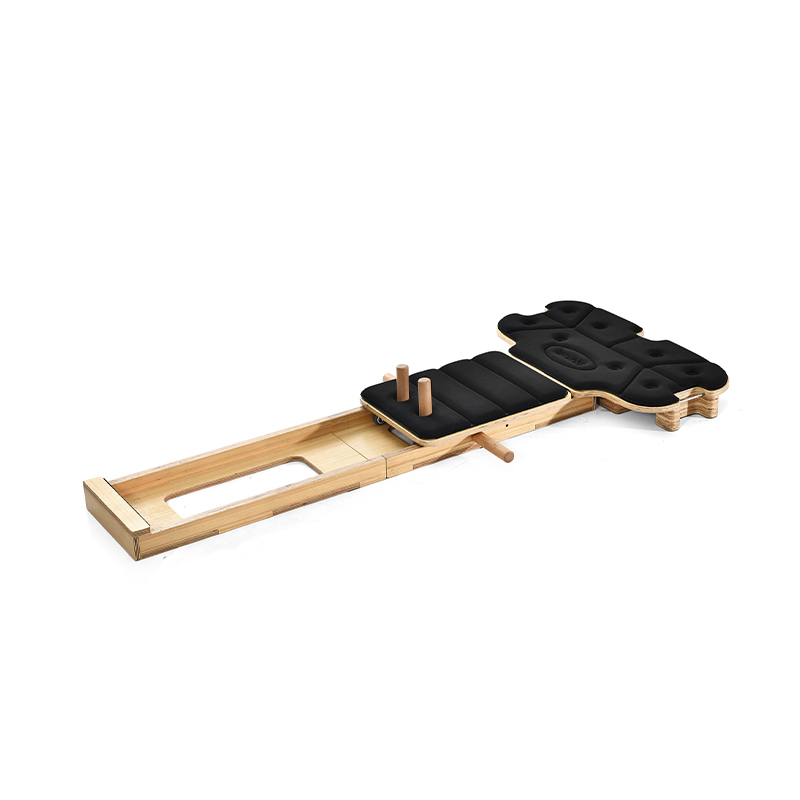
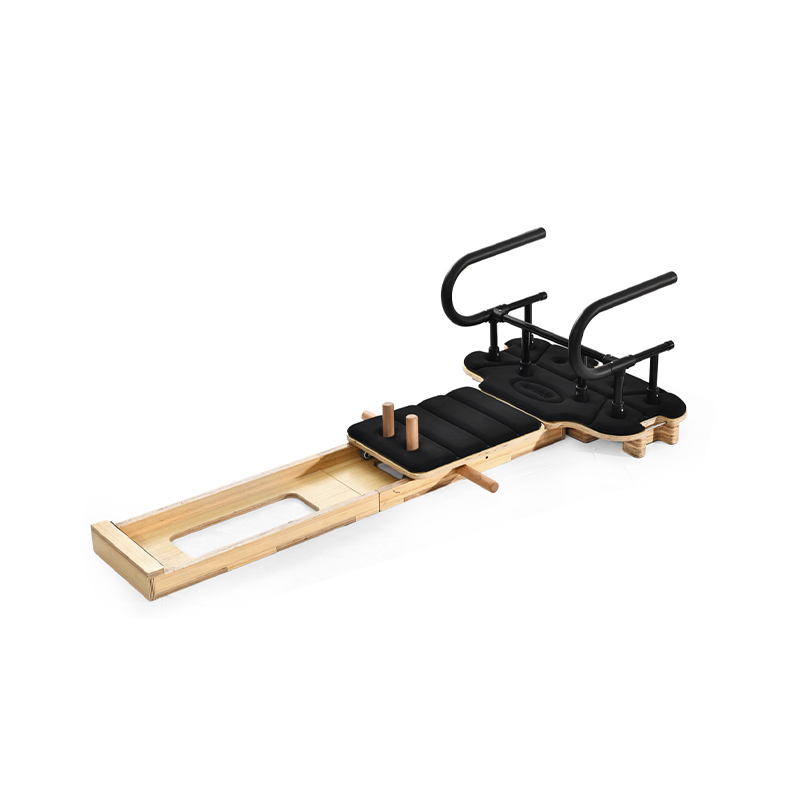
Strengthening core muscles at home can be challenging without suitable equipment. Combining a Push-up Plank with an Adjustable Elastic Cord offers a practical approach for individuals looking to engage multiple muscle groups efficiently. This combination allows for varied resistance levels and movement patterns, making routine exercises more versatile and adaptable to different fitness levels.
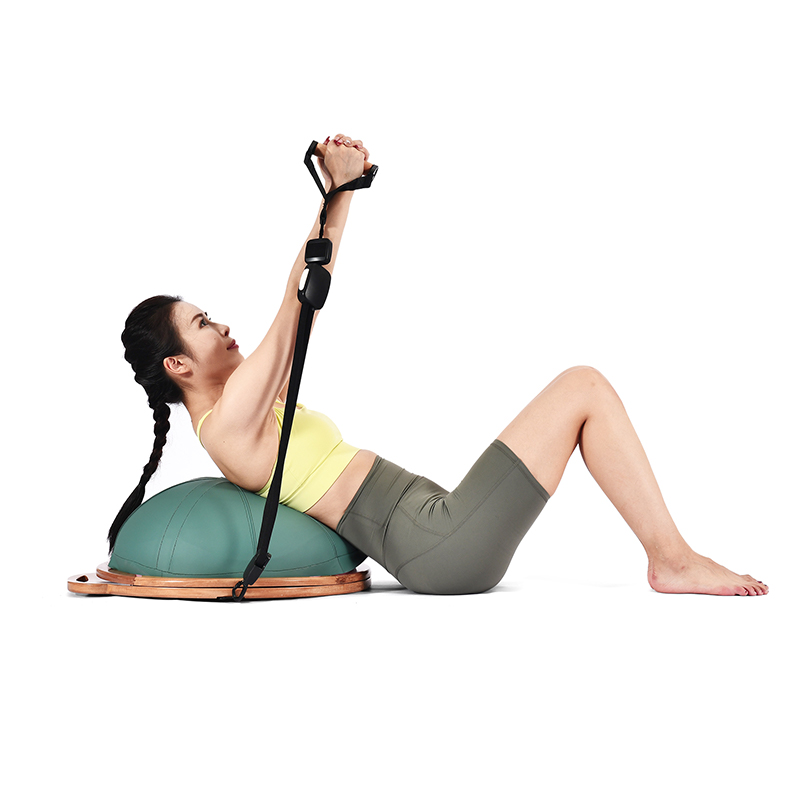
The Push-up Plank Mechanics
The push-up plank is more than a simple upper body exercise; it engages the chest, shoulders, arms, and core simultaneously. Performing this exercise consistently helps stabilize the spine and improves posture. To use it effectively at home, ensure the body forms a straight line from head to heels, and avoid sagging in the hips. For beginners, starting with shorter hold times and gradually increasing duration allows the body to adapt without strain.
Using an adjustable elastic cord in conjunction with the push-up plank introduces resistance during both the downward and upward movements. This extra resistance encourages controlled motion, requiring the core and stabilizing muscles to maintain balance and coordination throughout the exercise. By adjusting the tension, users can tailor the difficulty according to their current strength level.
Practical Ways to Integrate Adjustable Elastic Cord
Secure the elastic cord around a stable anchor point, such as a door or a heavy piece of furniture.
Position the cord so that it supports the upper body or arms, adding gentle resistance as you perform planks.
Experiment with different cord lengths or tension levels to vary the challenge gradually.
Combine plank holds with dynamic movements, such as lateral steps or single-arm lifts, while using the cord for added resistance.
This setup is highly adaptable for home environments, requiring minimal space while allowing multiple variations that target both core and upper body muscles. It also encourages mindful movement, as users need to maintain alignment and control against the cord’s pull.
Timing and Frequency for Consistent Practice
Regular practice helps reinforce muscle engagement patterns, but it is important to balance intensity with recovery. Performing push-up plank sessions two to four times per week, with each session lasting about 10–20 minutes, is sufficient for gradual improvement. Adjusting cord resistance over time ensures that muscles are consistently challenged without causing overuse strain.
Incorporating short breaks between plank sets helps maintain proper form. Users can combine these sessions with other low-impact exercises, such as seated stretches or bodyweight squats, to maintain overall mobility and flexibility. The elastic cord can also assist in modified exercises for beginners, reducing pressure on joints while still providing effective engagement.
Observing Form and Alignment
Proper form during push-up plank exercises ensures safety and prevents unnecessary tension in the neck or lower back. Keeping shoulders aligned over wrists and engaging the abdominal muscles helps maintain spinal stability. The adjustable elastic cord can act as a guide to ensure movements remain controlled, particularly during longer holds or more dynamic plank variations. Focusing on controlled breathing also supports stability and reduces fatigue during practice.
Expanding Exercise Variety at Home
The push-up plank combined with adjustable elastic cords opens opportunities for creative exercise routines. For instance, alternating between standard planks, side planks, and plank rotations allows users to target different areas of the core and surrounding stabilizing muscles. The cords can be adjusted to assist or resist specific movements, providing a customizable experience. Over time, this variety helps users remain engaged and adapt exercises to their evolving fitness level.
In addition, this combination encourages the use of smaller accessory muscles, such as those around the shoulders and hips, which are often overlooked in standard home workouts. By introducing resistance in multiple directions, users are prompted to maintain coordination, contributing to more balanced muscle activation and better control in daily activities.